
Last updated October 16, 2026
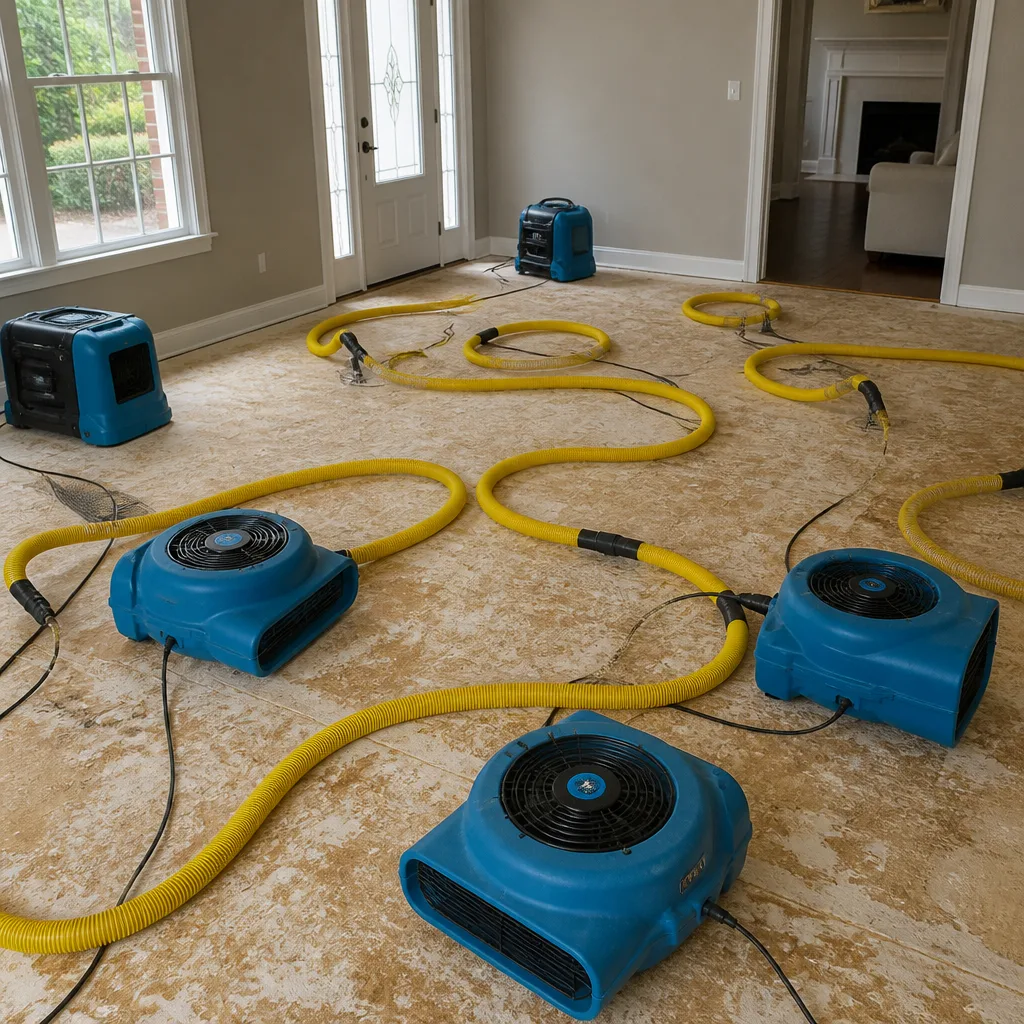 Water damage drying
 Fire & smoke cleanup
 Mold remediation
 Storm response
 Sewage cleanup
 Reconstruction
Free visual inspection and a written scope of work before any mitigation begins - photos, moisture readings, and drying logs go in your claim file
The scope we write is the scope we bill. Anything new gets shown to you, in writing, before we touch it.
Get your free estimateDamage Restoration Warning Signs: A Fresno Homeowner’s Reference Guide
A buckled baseboard is not a cosmetic problem. In Fresno homes with concrete slab foundations, it is often the first visible indicator that water has been wicking through the slab for weeks, sometimes months. By the time the baseboard pulls away or warps, the damage behind the wall is already significant. This guide walks you through the warning signs room by room, explains what each one actually means, and tells you exactly what to do next without panic. Most major restoration jobs in Fresno start as small, quiet signals that were visible long before the failure. We’ll show you how to read them.
Restoration work we handle
Quick Answer
Water damage warning signs in a Fresno home include buckled or warped baseboards, discoloration on walls or ceilings, a persistent musty odor in specific rooms, unexplained spikes in your water bill, and visible efflorescence on concrete slab floors. On Fresno’s slab-on-grade foundations, water travels upward and outward through concrete, so floor-level signs appear first and often look different than the basement or crawl space damage seen in other parts of the country. If you see active water, smell sewage, or notice mold growth larger than a dinner plate, call a restoration professional the same day. Our step-by-step guide to hiring a damage restoration contractor in Fresno can help you know what to ask before the crew arrives.
Table of Contents
- Why Fresno Slab Foundations Change the Warning Signs
- Baseboards, Trim, and Door Frames: The First Place to Look
- Walls and Ceilings: Discoloration Patterns That Mean Water
- Flooring Signs: Tile, Hardwood, Laminate, and Carpet
- The Smell Test: Musty vs. Mold vs. Drain Leak
- How to Check a Suspicious Wall with a $25 Moisture Meter
- Signs That Need Same-Day Professional Assessment
- Common Mistakes to Avoid
- When to Call a Professional
- Frequently Asked Questions
- The Bottom Line
Why Fresno Slab Foundations Change the Warning Signs
Fresno homes are overwhelmingly built on slab-on-grade foundations. There is no basement, no crawl space, no wooden subfloor suspended above the earth. The concrete slab sits directly on the ground, and your flooring, walls, and baseboards sit directly on the slab. This changes how water damage announces itself.
In a home with a crawl space, a plumbing leak under the floor drips into open air and pools on the ground. You might notice a damp smell rising through the floorboards, or hear water running when nothing is on. In a Fresno slab home, that same leak has nowhere to go. The water gets absorbed by the concrete, then wicks upward and outward through the slab itself. Concrete is porous. It acts like a sponge, pulling moisture laterally through capillary action and releasing it at the edges of rooms and under flooring materials.
This is why Fresno water damage presents at the perimeter of rooms first. Baseboards soften, curl, or stain. Laminate planks swell at the seams near walls. Tile grout darkens in a line that seems to follow the wall. The center of the room may look perfectly dry while the edges are actively wet. That pattern is the slab speaking.
We’ve also seen how Fresno’s summer heat changes the equation. When daytime temperatures sit above 100 degrees for weeks, moisture inside a slab can evaporate more quickly than it accumulates, temporarily hiding the visual signs of a slow leak. Then fall arrives, the house cools, and suddenly the baseboards look worse. The leak was there all summer. The signs were masked. This is one reason we tell homeowners to trust their nose and their water bill as much as their eyes during Fresno’s hot season.
Slab leaks in Fresno also tend to travel under the floors before they reveal themselves. A pinhole leak in a copper supply line under the kitchen can wick through the slab and show up as a damp patch in a hallway ten feet away. If you see moisture in an unexpected place with no obvious source overhead, think slab, not pipe in that wall.
Baseboards, Trim, and Door Frames: The First Place to Look
The single most reliable early warning sign in a Fresno slab home is the baseboard. Wood and MDF baseboards act like wicks. When moisture rises through the slab, it reaches the baseboard first, and the material absorbs it readily.
Here is what specific baseboard changes actually indicate:
- Swelling at the bottom edge: The baseboard looks thicker at the floor line than at the top, or the bottom edge has a soft, rounded appearance. This means water has been in contact with the baseboard for at least several days. The moisture source is likely below, not above.
- Warping or pulling away from the wall: The baseboard bows outward in the middle or separates from the drywall at the top. Wood expands when wet, and repeated wet-dry cycles cause permanent warping. In slab homes, this often means recurring moisture intrusion rather than a single event.
- Dark staining at the bottom edge: A gray or black line along the baseboard’s lower edge indicates water has wicked up into the material and left behind minerals, dirt, or early mold growth. This is more serious than simple warping.
- Peeling paint or bubbling finish: When moisture pushes through from behind, paint and varnish lose their bond. The bubbles are usually small and clustered near the floor, not spread across the full face.
- White, chalky residue: This is efflorescence, mineral salts left behind when water evaporates from concrete or masonry. It appears as a powdery white or gray deposit on painted surfaces near the floor. Efflorescence confirms water has been moving through the slab, even if the area now feels dry.
Door frames and door casings tell a similar story. When a door frame’s lower corner darkens or swells, or the door begins to stick in a way it never did before, check the floor around that doorway. In slab homes, moisture migrating through concrete often pools at door thresholds because the slab is continuous and doorways are natural collection points for water seeking the lowest path.
One Fresno-specific nuance: many older homes in the Tower District and around Fresno High have original wood baseboards that are 80 to 100 years old. Old-growth wood is denser and more resistant to visible warping than MDF. By the time old wood baseboards show obvious signs, the moisture problem has usually been active for a long time. Do not assume an old wood baseboard that looks okay means the slab is dry. Check behind it or use a moisture meter.
Walls and Ceilings: Discoloration Patterns That Mean Water
Wall and ceiling stains are the most commonly recognized water damage warning signs, but their meaning depends entirely on the pattern. The same color stain can indicate three different problems, and treating the wrong one wastes time and money.
Ceiling stains: location tells the story
A brown or yellow stain on the ceiling almost always means water from above. The questions are: what is above, and is the source still active?
- Stain directly under a bathroom or kitchen: Likely a supply line, drain line, or fixture leak. If the stain grows after the shower or sink is used, the drain is the culprit. If it grows regardless of use, suspect a supply line or a slow leak at a pipe joint.
- Stain near an exterior wall: Could be a roof leak, but on Fresno flat-roof and low-slope homes, it is more often a failed parapet cap or clogged scupper drain. Water pools on the roof, finds a seam, and travels down through the wall cavity before showing on the interior ceiling.
- Stain with a defined edge and uniform color: Usually older, dried damage. The leak stopped at some point, but the mineral and tannin deposits remain. Old stains are dry to the touch and do not change size.
- Stain with a soft, diffused edge and darker center: Active moisture. Active stains may feel damp or cool, and the drywall around them may be soft. The stain will grow over days or weeks.
- Stain with a rust-colored ring or drip mark: Water has been traveling through metal, picking up rust. This could mean a pipe, a metal roof flashing component, or a drywall nail that is corroding. The rust color does not necessarily mean a bigger problem, but it does mean the leak has been active long enough to oxidize metal.
Wall stains: from the floor up vs. from the top down
Wall discoloration in Fresno slab homes generally follows one of two paths. Water from the slab rises and stains the lower portion of the wall first, often in a wavy line that follows the base of the wall. Water from a plumbing leak inside the wall, a roof leak, or a window leak descends, staining the upper portion before working downward.
Dark brown or black staining at the bottom of an interior wall, paired with a musty odor, suggests active moisture wicking up from the slab. This pattern is particularly common in older Fresno neighborhoods such as the Lowell area or southeast Fresno, where original concrete slabs may lack the vapor barriers required in newer construction. Without a vapor barrier, ground moisture can migrate upward through the slab indefinitely, especially during wet years or when irrigation water runs too close to the foundation.
Bubbling drywall, separated drywall tape, or a wall surface that feels soft or spongy when pressed are all signs that water has penetrated the gypsum core. Drywall that has been wet loses its structural integrity and cannot be dried back to original condition. It needs to be cut out and replaced. The good news is that this is a contained, predictable repair when caught early.
Flooring Signs: Tile, Hardwood, Laminate, and Carpet
Fresno homes use a wide range of flooring materials, and each one announces water damage differently. Knowing what to look for in your specific flooring type will help you spot problems before they spread.
Tile and stone
Tile itself is waterproof, which means water damage shows up in the grout and the substrate beneath, not the tile surface. Watch for grout lines that darken in a pattern that follows the base of a wall or a specific board of the house. Darkened grout often means water is trapped beneath the tile, and capillary action is pulling moisture up through the grout joints from below. Loose or hollow-sounding tiles are a later-stage sign; the thinset bond has failed, and the tiles are now sitting on a wet, unstable surface. In a Fresno slab home, this can indicate water coming up through the slab or a plumbing leak beneath the tile, not a surface spill.
Hardwood
Solid hardwood reacts to moisture in two phases. First, cupping: the edges of the boards rise higher than the center, creating a subtle wavy profile across the floor. Cupping indicates moisture is rising from below or the bottom side of the board is wetter than the top. Second, crowning: the center of each board rises above the edges. Crowning usually appears after cupping has been sanded or the room has dried unevenly. Both patterns suggest the moisture source is below and active. Even after the boards dry, cupping and crowning often remain visible and may require sanding and refinishing. If the wood is too damaged, section replacement is required.
Laminate and engineered wood
Laminate is the most sensitive common flooring to moisture. Swelling at the seams, a slightly raised lip where boards meet, and a hollow tapping sound when you walk are all signs of water beneath the flooring. Once a laminate board swells, it does not return to its original shape. Replacement is typically the only fix. In Fresno, we frequently see laminate swelling in kitchens and bathrooms where a small supply line leak under a cabinet has been slowly releasing water into the slab and under the floor for months. By the time the homeowner notices the seam swelling, the water has traveled under a third of the room.
Carpet
Wet carpet is obvious when the water event is sudden. Slow slab moisture is harder to spot. If a carpeted area in your Fresno home feels damp or cool in the morning, especially near exterior walls, suspect a slab moisture issue or a slow leak. Moisture wicking through the slab will wet the carpet pad first, and the pad holds water like a sponge. Over time, carpet over a wet pad develops a distinct smell, and you may see dark lines at the baseboards where the carpet and pad meet the wall.
The Smell Test: Musty vs. Mold vs. Drain Leak
Smell is the most underrated water damage detection tool in a home. When I say smell test, I do not mean anything complicated. Walk into each room of your Fresno home when the house has been closed up for a few hours, ideally first thing in the morning, and notice what your nose registers before your eyes find anything.
Here is how to tell the common household odors apart using only what is in a normal home:
- Musty, earthy odor: This is the classic damp-concrete smell. In Fresno slab homes, it often means moisture is wicking through the slab and evaporating into the room, carrying minerals and organic compounds with it. The smell is usually strongest near the floor and at the room’s perimeter. If the odor lingers in a room with no visible water, suspect slab moisture or a slow hidden leak around that room’s plumbing.
- Mold odor: Mold has a sharper, more pungent smell than general mustiness. Many people describe it as similar to damp socks that sat in a gym bag, or like the smell of a forest floor, but sharper. Mold odor is almost always localized. Stand still in the room and move your head. The smell will be stronger in one area, often near a wall or under a cabinet. Follow your nose. It will likely lead you to the moisture source, even if you cannot see it yet.
- Drain or sewer smell: This is a distinctly different odor. It smells like rotten eggs or sulfur, and it comes and goes. A drain smell in a bathroom usually means a dry P-trap. Run water in every sink, tub, and shower in that bathroom, then wait a few hours. If the smell returns, you likely have a drain leak behind a wall or under the floor, not a dry trap. A slow drain leak in a wall or slab does not produce the same musty smell as clean water. It smells like sewage, and it needs to be addressed by a professional who understands Water Damage Restoration in Fresno and the contamination levels involved.
- Efflorescence odor: Efflorescence itself has almost no smell. But if you see white powder on a concrete floor or wall and the room also smells slightly damp, do not assume the smell is coming from the powder. The same moisture movement that created the efflorescence is probably also feeding microbial growth somewhere nearby. Treat the smell and the powder as part of the same problem.
The Fresno climate adds another variable. During the valley’s hot, dry summers, a slow leak can evaporate quickly enough that little smell accumulates. When the first rain arrives and humidity rises, the air holds more moisture, and odors that were dormant become noticeable. If your home suddenly smells different after the first fall rain, check for leaks even if you saw no signs all summer.
How to Check a Suspicious Wall with a $25 Moisture Meter
A consumer-grade pinless moisture meter, the kind sold at hardware stores for about $25 to $40, is the single most useful tool a Fresno homeowner can keep in a drawer. It does not replace professional equipment, but it will tell you whether a suspicious area is actually elevated before you call anyone or ignore anything.
Here is a step-by-step process that takes about ten minutes:
- Buy a pinless meter. Look for one that reads wood, drywall, and masonry modes. Pinless meters use electromagnetic signals and will not leave holes in your wall.
- Calibrate your baseline. Before measuring anything suspicious, measure a wall area you know is dry, ideally an interior wall away from plumbing, windows, and exterior doors. Note that number. In most Fresno homes in summer, drywall reads between 4% and 8% moisture content. In winter or after rain, a reading up to 12% on an interior wall can still be normal.
- Measure the suspicious area. Hold the meter flat against the wall, baseboard, or floor in question. Move it slowly across the surface. Moisture levels in a wall are rarely uniform; you will likely find a gradient with the highest readings nearest the leak source.
- Compare to baseline. If the suspicious area reads 5 to 10 points higher than your dry baseline, you have elevated moisture. If it reads above 20% on a drywall setting, the material is actively wet and has been for some time.
- Actionable thresholds. A reading 5 points above baseline is worth monitoring. A reading 10 points or more above baseline with no recent known water event means there is an active source and you should call a professional. A reading above 25% on drywall, or any reading on a masonry setting that jumps when placed near the floor, indicates slab moisture that needs evaluation.
- Check the perimeter. In Fresno slab homes, always compare the perimeter of a room against the center. If the meter reads higher at the baseboard than in the middle of the wall, suspect slab moisture. If the reading is higher at the center of the wall than at the edges, suspect a pipe inside the wall.
One thing to know: moisture meters measure relative moisture, not absolute water. A high reading on a masonry wall or floor does not necessarily mean standing water. It means the concrete is holding more moisture than is normal for that material in that environment. That is still actionable information.
Signs That Need Same-Day Professional Assessment
Some warning signs indicate a situation that has moved beyond monitoring and into active damage. In these cases, waiting costs more money and risks your family’s health.
Category 2 and Category 3 water are industry terms for gray water and black water. Gray water is water with significant contamination, such as washing machine overflow, dishwasher discharge, or toilet overflow with urine only. Black water contains sewage, bacteria, or other pathogens, such as toilet backups with feces, floodwater, or standing water that has been sitting for more than 48 hours. Both categories require professional extraction, disinfecting, and drying with proper containment to prevent cross-contamination.
Call for same-day assessment if you see any of these:
- Active water flowing from a pipe, wall, ceiling, or appliance. Shut off the water supply to that fixture or the main valve if needed, then call. Active flow means new damage every minute.
- Sewage odor or visible sewage backup. This is Category 3 water, and it requires professional handling with appropriate personal protective equipment and containment. Do not attempt to clean it yourself.
- Mold growth larger than a dinner plate. A patch of visible mold that size signals a moisture source that has been active for weeks or months. The mold itself may be a symptom of a hidden problem behind the wall or under the floor.
- Ceiling sagging or bulging. Water pooling above a ceiling is filling the drywall cavity. A sagging ceiling can collapse without warning, and standing water above drywall creates electrical hazards. Stay out of the room and call.
- Water coming up through the floor with no obvious source. In Fresno, this often means a slab leak or a rising water table after heavy rain. Either way, the water is traveling through your slab and under your flooring, and it will not stop on its own.
- Electrical outlets or switches showing moisture, or a burning smell paired with water. Water and electricity are a dangerous combination. Turn off the circuit at the breaker and call an electrician and a restoration professional.
For any of these, Tidemark Water Damage Fresno home offers 24-hour live phone support, answered by a real person, not a voicemail. Call (559) 354-1680 and describe what you are seeing. We will tell you honestly whether it needs a professional visit or whether you can safely monitor it.
Common Mistakes to Avoid
- Painting over water stains without fixing the source. A coat of primer will hide the stain for a while, but the moisture behind the paint keeps working. The stain returns, usually larger, and by then mold may have taken hold inside the wall cavity. Fix the water problem first, then repaint.
- Assuming a dried stain means the problem is gone. Water evaporates. Mineral deposits, mold spores, and structural damage do not. A dry brown ring on the ceiling is evidence that a leak existed. The question is whether the leak is truly fixed or simply dormant. Use a moisture meter to confirm before moving on.
- Ignoring a slow-draining sink or tub. Homeowners often treat a slow drain as a minor annoyance. In Fresno slab homes, a slow drain can be the first sign of a drain line leak under the slab. Water is escaping through a crack or separated joint, and the leak may be worsening even as the drain still works. Have it looked at before it becomes a backup.
- Treating mold with bleach and painting over it. Bleach does not kill mold on porous surfaces like drywall and wood. It removes the surface color while the roots remain alive in the material, and the mold regrows. Professional Mold Remediation in Fresno addresses the moisture source and removes contaminated material, not just the visible growth.
- Running fans or opening windows on a Category 2 or 3 water event. For clean water, ventilation helps. For gray or black water, blowing air spreads contaminated particles throughout the home. Professionals use containment and air filtration to dry while protecting unaffected areas.
- Waiting for the insurance adjuster before calling a restoration company. Many Fresno homeowners delay mitigation because they want the adjuster to see the damage first. Insurance policies actually require the homeowner to take reasonable steps to prevent further damage, and that starts immediately. Document everything with photos, then call for mitigation. Your adjuster will work with the restoration company’s documentation.
When to Call a Professional
Call a professional when the moisture meter confirms elevated readings with no obvious source, when you see active water, when sewage or sewer odor is present, when mold growth is visible beyond a small patch, or when the water source is in or under a slab. Not sure whether to tackle it yourself? Read our DIY vs Professional Damage Restoration guide for Fresno homeowners first. You should also call when an insurance claim is involved: restoration companies document damage in a way that insurers accept, and experienced crews know how to coordinate with adjusters so you are not fighting the process alone.
Tidemark Water Damage Fresno offers free estimates in Fresno. Call (559) 354-1680 and a live person will answer, ask about what you are seeing, and schedule a walkthrough if needed. You will get a written price before any work starts.
Frequently Asked Questions
The first signs of a slab leak are usually a warm spot on the floor (for hot water lines), the sound of running water when no fixtures are on, an unexplained spike in your water bill, or moisture appearing at the baseboards with no plumbing overhead. In Fresno slab homes, water from a slab leak travels laterally through the concrete and often emerges at the room’s perimeter before any floor damage is visible. If you suspect a slab leak, call a plumber for leak detection and a restoration professional for the moisture assessment. Call (559) 354-1680 and we can walk you through what to check first.
A new water stain is typically damp or cool to the touch, has a soft or diffused edge, and grows in size over days or weeks. An old stain is dry, has a defined edge, and does not change. In Fresno’s dry climate, a stain can dry quickly, so also check the material’s firmness: drywall that feels soft or spongy, even if dry, has been wet and lost structural integrity. A $25 moisture meter gives a definitive answer in seconds.
Most homeowner’s policies cover sudden and accidental water damage, such as a burst pipe or an overflowing appliance. They generally do not cover gradual damage from a slow leak that has been ongoing for months. The distinction depends on your policy language and how the damage is documented. Restoration companies that photograph everything and document moisture readings give you the strongest possible claim file. We photograph the cleanup before the crew leaves, and our documentation is designed to work with adjusters.
We answer calls live 24 hours a day and can typically dispatch a technician to a Fresno home the same day for active water events. For non-emergency assessments, we schedule walkthroughs at a time that works for your family. The key is calling early: every hour water sits, it travels further through the slab, under flooring, and into walls.
It depends on the water category and how far the moisture migrated. Clean water from a supply line that is extracted within 24 hours and dried with professional equipment usually does not require full remediation. Gray or black water, or any water that has been sitting long enough to support mold growth, requires a more involved process. A professional assessment with moisture mapping answers this question with data. In our experience, Fresno slab homes hide more than homeowners expect, which is why we check the tide mark on every job and dry past it.
Water damage restoration addresses the immediate water, extracts standing water, dries the structure with professional equipment, and repairs the resulting damage. Mold Remediation in Fresno focuses on stopping mold growth, containing affected areas, removing contaminated material, and restoring a home to safe indoor air quality. The two often happen together. A hidden leak that goes unrepaired leads to mold, and a professional restoration company handles both phases.
The Bottom Line
Most Fresno water damage announces itself quietly, at the baseboard, in the grout, or through a smell you cannot quite place. The signs were visible for weeks before the failure. Now you know what to look for room by room, what the patterns mean, how to check with a moisture meter, and when to call someone who can help. For more guides & resources on protecting your Fresno home, visit our blog. If you see something that makes you pause, have it checked. Free estimates exist for a reason: they tell you whether you have a problem before the problem tells you. Call Tidemark Water Damage Fresno at (559) 354-1680, and a live person will answer.
Written by Rick Sumner, Owner at Tidemark Water Damage Fresno, serving Fresno since 2006.
See the difference
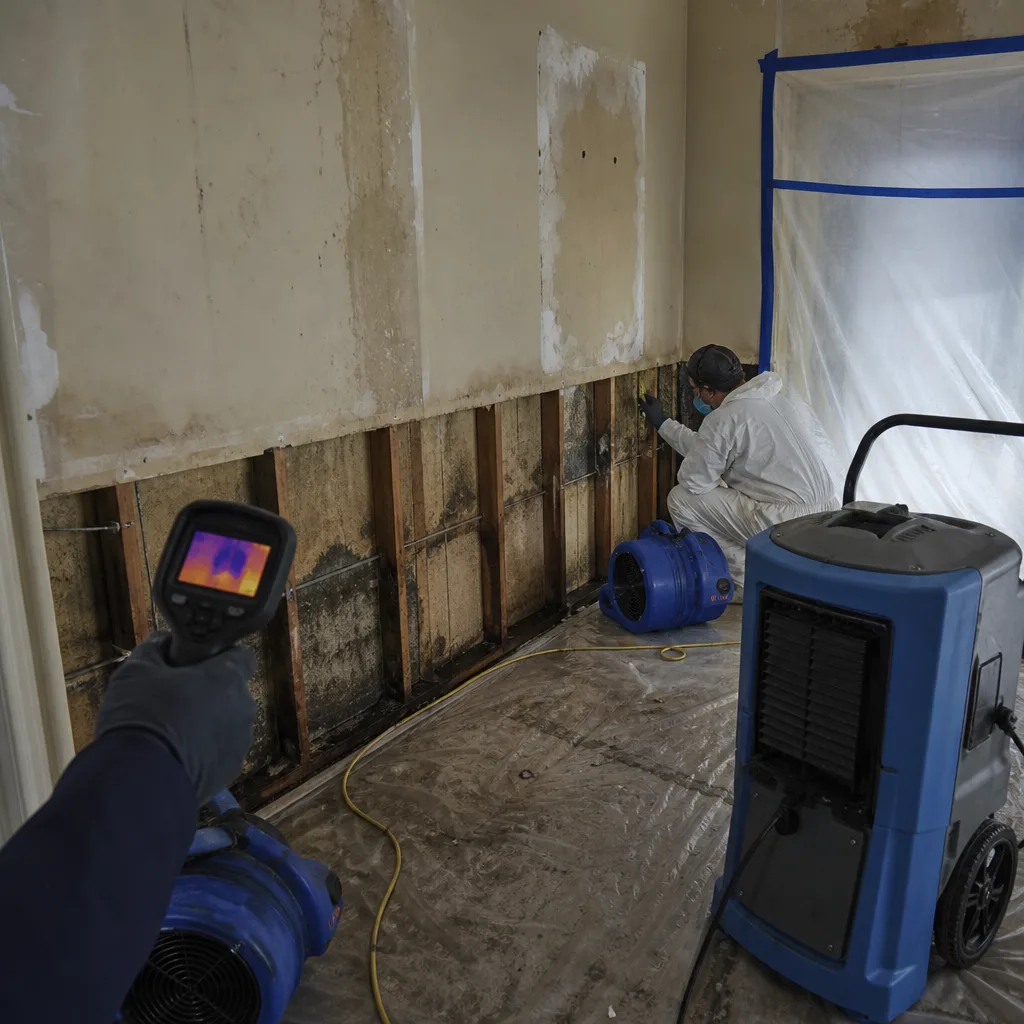 Before
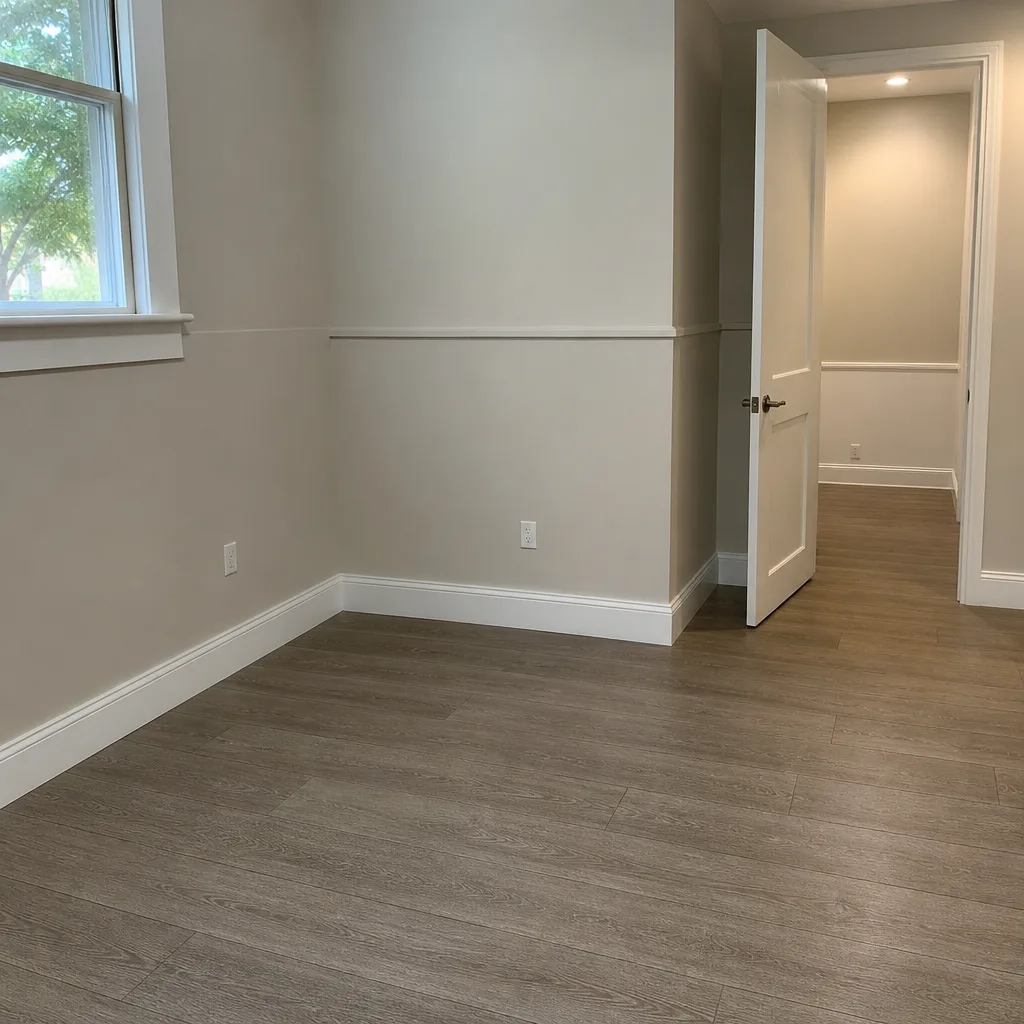 After
After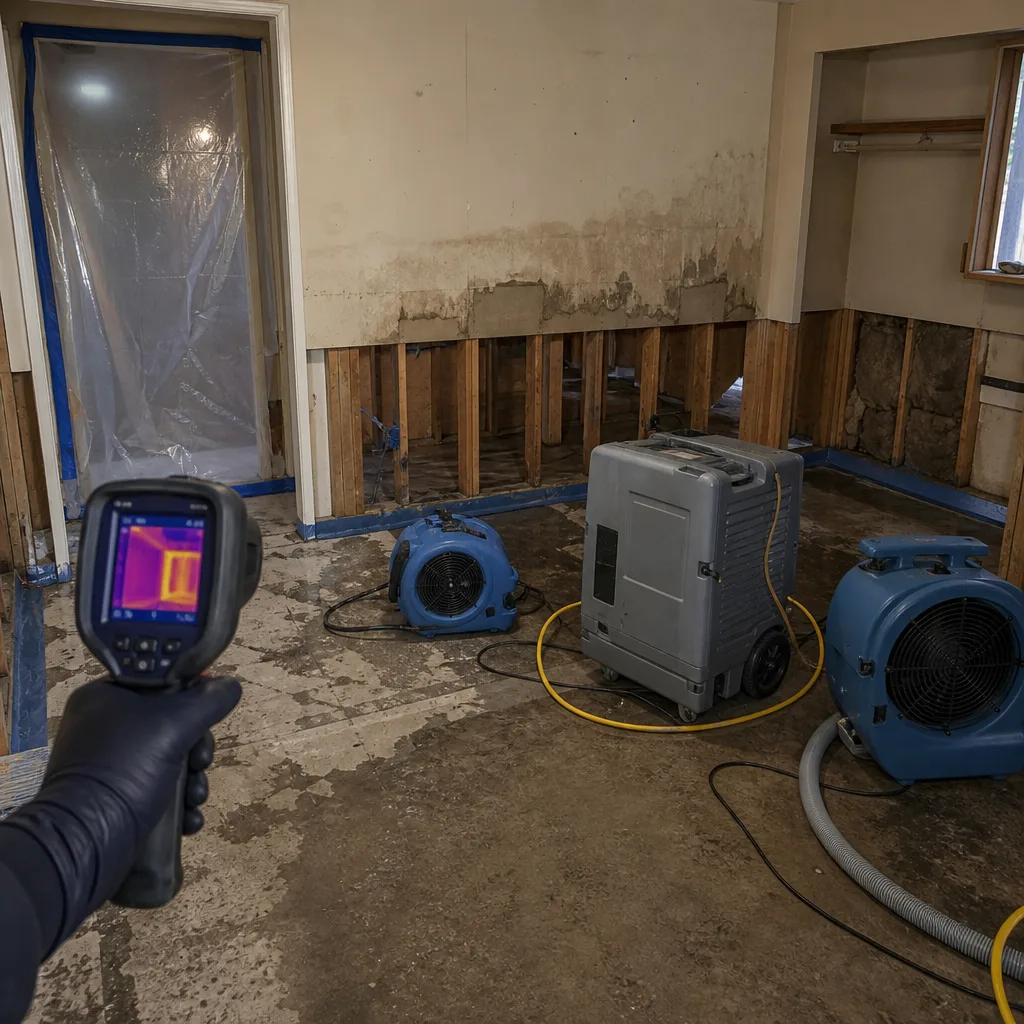 Before
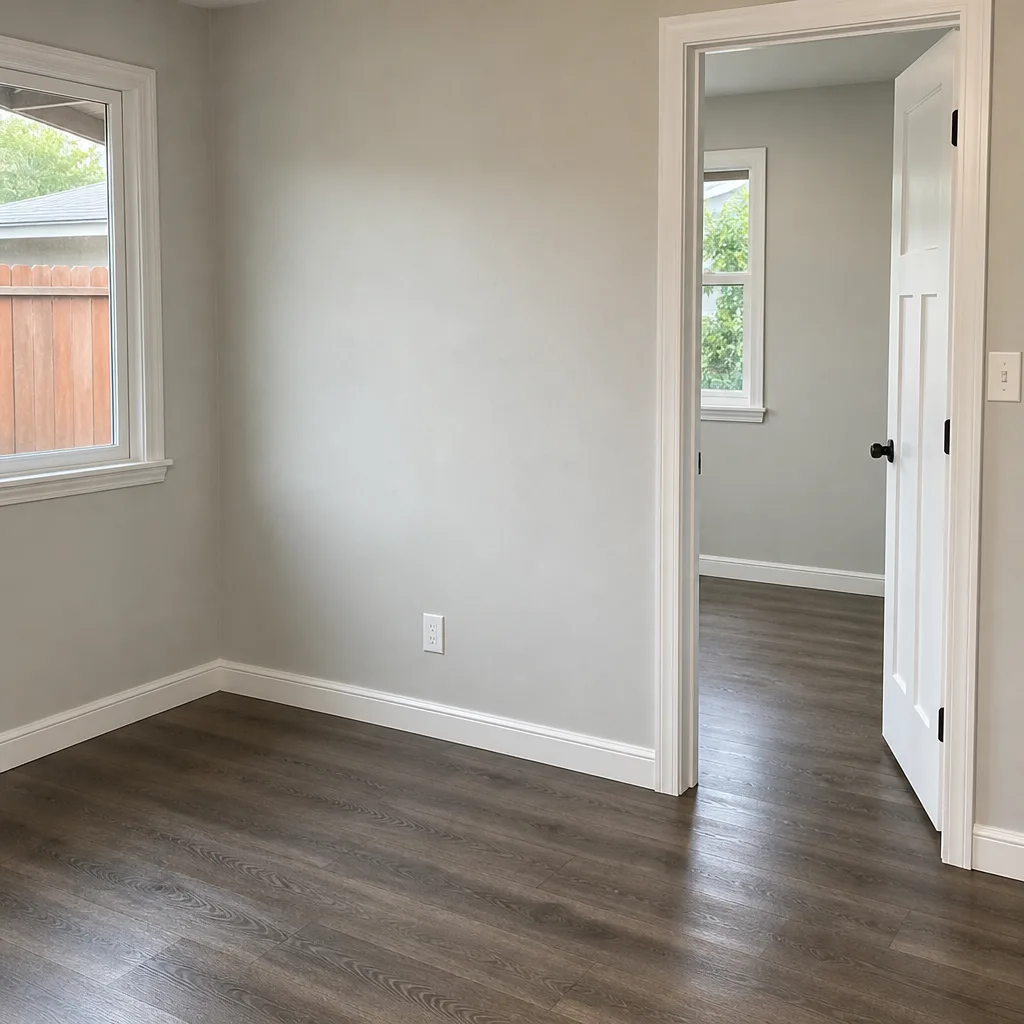 After
After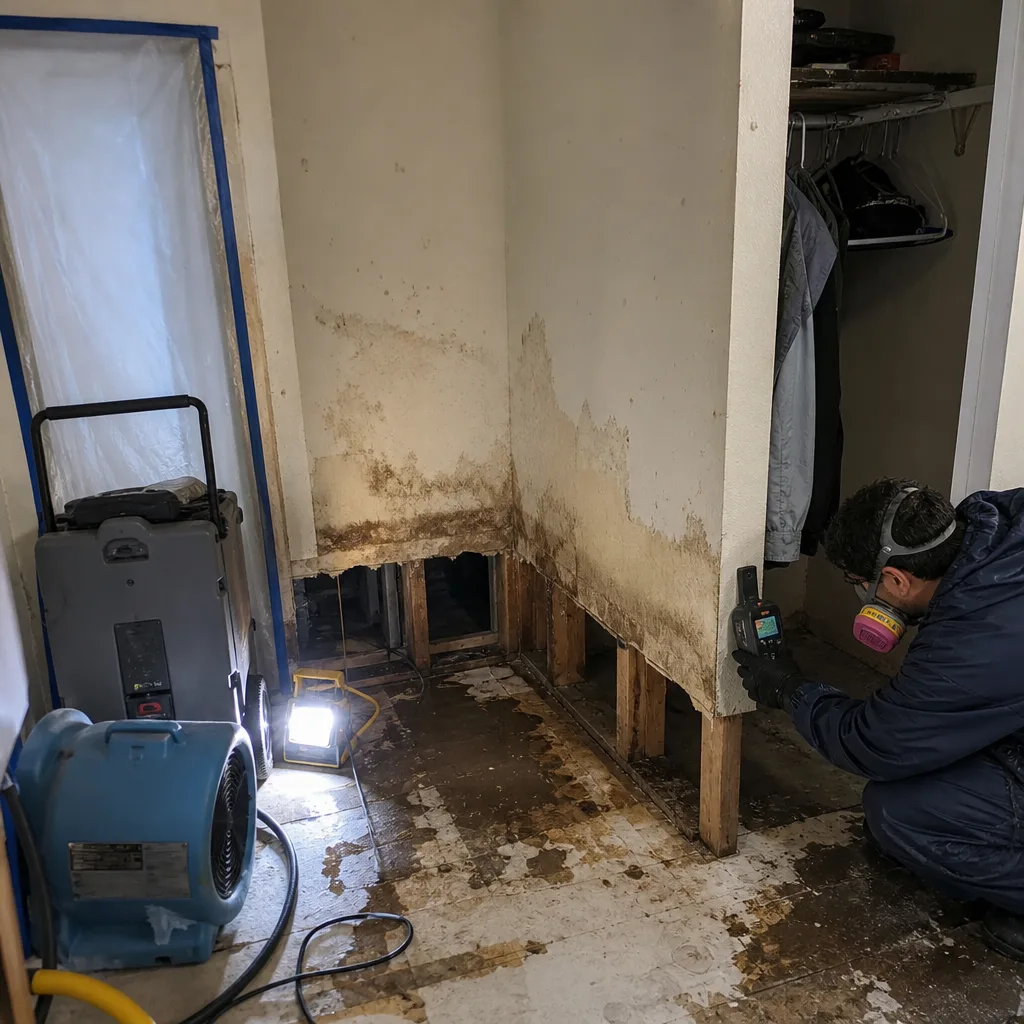 Before
 After
After