
Last updated October 16, 2026
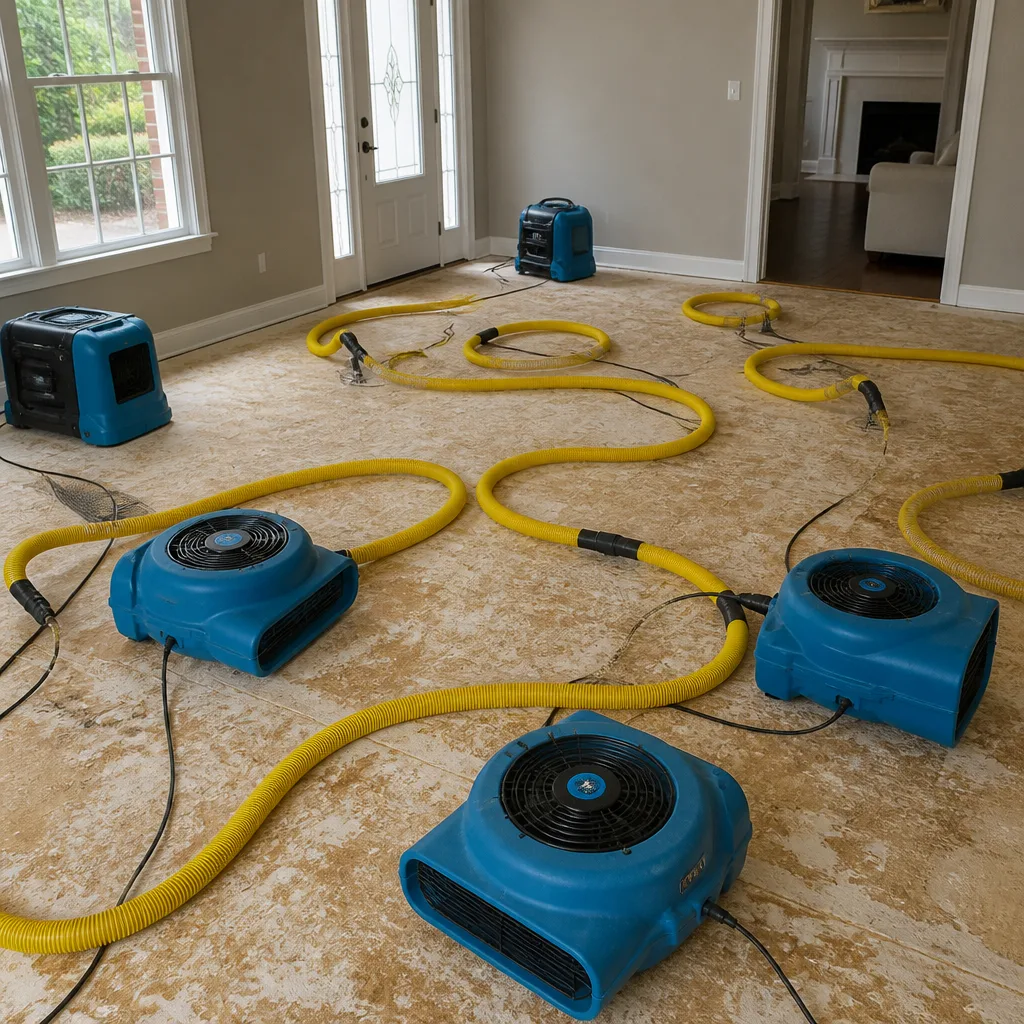 Water damage drying
 Fire & smoke cleanup
 Mold remediation
 Storm response
 Sewage cleanup
 Reconstruction
Free visual inspection and a written scope of work before any mitigation begins - photos, moisture readings, and drying logs go in your claim file
The scope we write is the scope we bill. Anything new gets shown to you, in writing, before we touch it.
Get your free estimateDIY vs Professional Damage Restoration: The Fresno Homeowner’s Decision Guide
A Fresno homeowner who rents a couple of shop fans after a washing machine overflow may spend $80 and feel confident the problem is solved. But if that water reached the wall cavity behind the baseboard, those fans only moved air across the surface while the stud bay stayed wet, and the moisture may have been pushed deeper into the assembly. This guide walks through the real decision points: the specific conditions where a homeowner can safely handle cleanup, and the situations where professional equipment and training are the difference between a dry home and a mold problem that shows up four months later. You’ll learn the decision tree, the equipment gap in plain numbers, the California legal line, and the one DIY scenario that is genuinely safe.
Restoration work we handle
Quick Answer
DIY water cleanup is only appropriate for small, surface-level clean water spills caught within the first hour on non-porous materials. Any water that sat for more than an hour, touched porous materials like drywall or carpet padding, or came from a contaminated source (sewage, dishwasher, toilet overflow) requires professional extraction, drying, and moisture mapping that homeowner equipment cannot replicate. In Fresno’s hot, dry climate, a floor can feel dry to the touch while the wall cavity behind it holds enough moisture to support mold growth within 48 to 72 hours.
Table of Contents
- The Real Question: Not “Can I Save Money?” but “Can I Find the Water?”
- The Decision Tree: Four Conditions That Decide DIY vs Professional
- The Equipment Gap: Why Consumer Fans and Dehumidifiers Are Not Enough
- Moisture Mapping: What Professionals See That Homeowners Cannot
- California Health Code and the Legal Line for Homeowners
- The One Safe DIY Scenario: A Step-by-Step Process and Verification Checklist
- Why Fresno’s Climate Creates a False Sense of Security
- Common Mistakes to Avoid
- When to Call a Professional
- Frequently Asked Questions
- The Bottom Line
The Real Question: Not “Can I Save Money?” but “Can I Find the Water?”
Every water damage job comes down to one question, and it has very little to do with cost. The question is whether all of the water has been found. Water follows gravity, then capillary action, then air pressure. It travels down through flooring, sideways along subfloor seams, up into drywall, and into wall cavities through baseboard gaps and electrical outlets. What you can see is almost never the full extent of what got wet.
In our experience in Fresno homes, the gap between visible water and actual water is where the DIY-versus-professional decision is actually made. A homeowner sees a puddle on tile, mops it up, points a fan at it for a day, and calls it done. But the same puddle that sat for two hours has already wicked into the drywall paper face, which is a food source for mold. The paper face of drywall can hold moisture for days even in Fresno’s dry air, because it is inside a wall cavity with almost no airflow.
This is the core of the decision. If you cannot verify that the water did not reach hidden cavities, you are not deciding between DIY and professional work. You are deciding between paying now for drying or paying later for Mold Remediation in Fresno. The two are not equivalent costs. Mold remediation in a wall cavity typically requires cutting out affected drywall, treating the framing, and rebuilding the wall. Drying a wet wall cavity before mold grows is a fraction of that cost and disruption.
The Decision Tree: Four Conditions That Decide DIY vs Professional
Every water damage scenario can be evaluated through four conditions. If all four point to the safe side, DIY may be appropriate. If any one of them points to the other side, professional help is the safer path. Here is the decision tree we walk homeowners through when they call us in Fresno.
Condition 1: Water Source
Water is categorized by the restoration industry into three categories. Category 1 is clean water, from a supply line, a faucet left running, or rainwater. Category 2 is gray water, which contains some contamination: dishwasher discharge, washing machine overflow, aquarium water. Category 3 is black water, which contains sewage, floodwater from outside, or any water that sat long enough to grow bacteria. Category 3 is never a DIY job, and Category 2 requires containment and antimicrobial treatment that goes well beyond mopping.
Condition 2: Affected Materials
Non-porous materials like tile, sealed concrete, and vinyl plank can be surface-dried. Porous materials like drywall, carpet padding, particleboard, and unsealed wood absorb water into their structure. Once drywall gets wet, it loses structural strength even after drying. Once carpet padding gets wet, it is generally not salvageable in any condition that is worth keeping. The material list, not the puddle size, often decides the job.
Condition 3: Square Footage
A small spill is measured in inches, not feet. Anything larger than about a bathroom mat’s worth of water, roughly 10 square feet, has likely spread beyond the visible area. Water runs to the lowest point, and in a slab-on-grade Fresno home, that often means under baseboards and into wall bottom plates.
Condition 4: Time Elapsed
Time is the least forgiving condition. Clean water becomes gray water within 48 hours as bacteria multiply. Mold spores, which are present in every home, begin colonizing wet organic material within 24 to 48 hours in warm conditions. Fresno’s summer indoor temperatures, often in the high 70s to mid 80s even with air conditioning, are well within the growth range for most common indoor molds.
The Decision Tree in Plain Terms
- DIY is safe if: the water is Category 1, it affected only non-porous surfaces, it covered less than 10 square feet, and you caught it within the first hour and dried it completely within a few hours.
- Professional is necessary if: the water is Category 2 or 3, it touched drywall, carpet, padding, or subfloor, it covered more than 10 square feet, or it sat for more than an hour before you started cleaning.
If you are uncertain on any single one of these conditions, the cost of an inspection is far lower than the cost of guessing wrong. For Fresno homeowners, a quick call to a Water Damage Restoration in Fresno team can resolve the uncertainty without any obligation.
The Equipment Gap: Why Consumer Fans and Dehumidifiers Are Not Enough
The equipment difference is not a matter of degree. It is a matter of category. A consumer-grade box fan from a hardware store moves between 1,500 and 2,500 cubic feet per minute (CFM) of air across an open room with no resistance. A professional air mover from brands like Dri-Eaz or Phoenix moves upward of 3,000 to 5,000 CFM, but the critical difference is that the air is directed. Professional air movers are placed in patterns that create airflow across the floor, under baseboards, and inside cavities, which is where drying actually happens.
The dehumidifier gap is even wider. A consumer dehumidifier from a Fresno big-box store removes 20 to 50 pints of water per day under ideal conditions, and performance falls sharply as humidity drops. A professional low-grain refrigerant (LGR) dehumidifier removes 130 to 230 pints per day in real-world conditions, and desiccant units can go far higher. On a flooded room, a consumer dehumidifier might remove a useful amount in three days. A professional unit removes it in one.
We run professional-grade equipment from Dri-Eaz, Phoenix, XPOWER, B-Air, and Injectidry. The Injectidry system is worth explaining because it is the one machine that truly has no homeowner equivalent. It is a panel-suction drying system that pulls moisture directly out of wall cavities and under hardwood floors. No fan can do this. If water has traveled behind a wall in a Fresno home, the difference between an Injectidry system and a room fan is the difference between drying the cavity and not drying it at all.
For a homeowner comparing options, the practical comparison is this: a rented shop fan and a consumer dehumidifier together can dry a surface. They cannot dry a wall cavity, a subfloor sandwich, or a sill plate. And those are exactly the places where mold grows in a Fresno home.
Moisture Mapping: What Professionals See That Homeowners Cannot
A tide mark is the line water leaves on a wall, and it is the first thing our technicians look for on every job. But the tide mark only tells part of the story. Water that traveled into a wall cavity and stopped below the surface leaves no visible mark at all, or leaves one that appears days later after it has already wicked upward through the drywall.
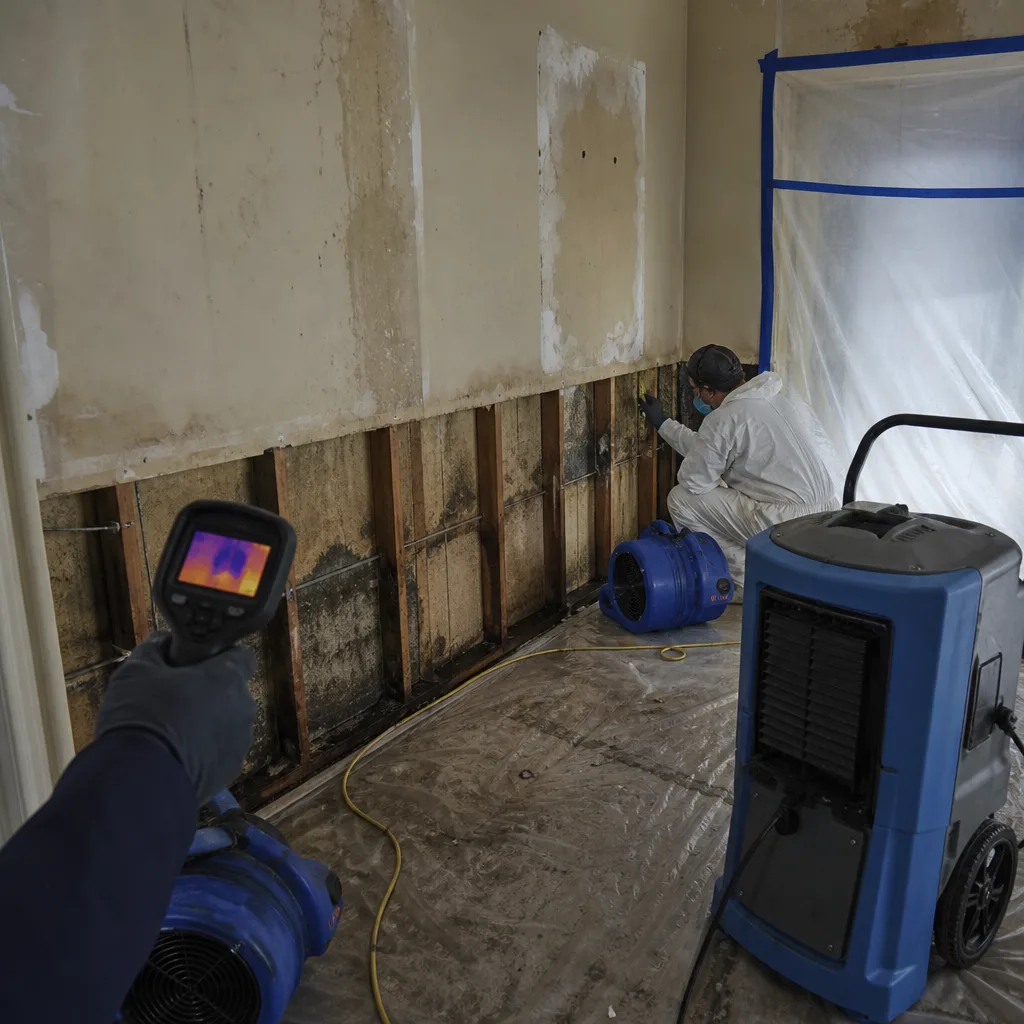
Professional moisture mapping uses two tools that cannot be replicated by visual inspection. The first is a thermal imaging camera, which reads surface temperature differences that indicate evaporative cooling in wet areas. Water evaporating from a surface cools it, and the camera sees that cooling as a color shift. The second is a pin-type moisture meter, which inserts two small pins into the material and measures electrical resistance between them. Wood, drywall, and grout each have a moisture content range that is considered normal in Fresno’s climate, and a pin meter tells us the actual percentage, not a guess.
We also use non-invasive meters that read moisture through surfaces without leaving pin holes, which matters when we are checking hardwood floors or finished walls in an occupied home. The mapping process produces a moisture map of the affected area, which becomes the basis for a drying plan and a completion check.
What gets missed without mapping is the water that never showed itself. A supply-line leak inside a wall can saturate a stud bay for weeks while the homeowner notices nothing. By the time a stain appears on the paint, mold is already established in the cavity. In Fresno’s climate, a wall cavity dries slowly because there is no natural airflow inside it, even when the outside air is dry. Mapping is the only way to confirm that a cavity is dry, and that confirmation is the difference between a completed job and a future mold problem.
California Health Code and the Legal Line for Homeowners
California law does not prohibit a homeowner from cleaning up their own water damage. But it does create liability lines that homeowners should understand before they begin. The California Health and Safety Code, and the California Building Code, set standards for mold contamination and for the disposal of water-damaged materials, and those standards apply to owner-occupied homes.
The most important legal line is mold. Once mold is present, the California Department of Public Health has issued guidance that any mold-affected area larger than 10 square feet should be addressed using containment and proper removal procedures, which generally requires professional equipment and training. The Toxic Mold Protection Act directs the state to set permissible exposure limits, and while the regulatory process has been slow, the practical standard in California is that a homeowner who disturbs a large mold colony without containment can spread spores throughout the home and create a more serious health hazard than the one they started with.
The second legal line is sewage. Category 3 water, which includes sewage backups and floodwater, is regulated as a biohazard. The California Plumbing Code and local Fresno municipal codes require that sewage cleanup be performed by a professional with appropriate training and disposal permits. A homeowner who cleans up a sewage backup themselves and disposes of the contaminated materials improperly can face local code enforcement issues, and if the property is later sold, undisclosed sewage contamination is a serious disclosure failure.
In practical terms, the line is this: you can mop your own spilled water. You should not cut out your own sewage-soaked drywall. And if mold is already visible on more than a small patch, the legal and health risks of DIY removal outweigh any savings. IICRC, RIA, and IFA certifications exist precisely because this work has real safety consequences.
The One Safe DIY Scenario: A Step-by-Step Process and Verification Checklist
There is exactly one scenario where DIY water cleanup is genuinely safe, and it is narrower than most homeowners expect. The water must be Category 1, clean water from a supply line or a spill. It must have affected only non-porous surfaces, like tile, sealed concrete, or vinyl plank flooring. It must have been caught within the first hour. And it must be fully dry within a few hours. Here is the process, step by step.
Step 1: Stop the Source and Document
- Shut the valve or stop the spill at its source before you do anything else.
- Take photos of the puddle and the surrounding area before you touch anything. These are useful for insurance if the spill was from an appliance or a pipe.
- Remove any items sitting in the water, including rugs, baskets, and shoes.
Step 2: Extract What You Can
- Use old towels or a wet-dry vacuum to remove the standing water. A wet-dry vacuum is the only homeowner tool that removes water at a meaningful rate. Mops and towels simply move water around.
- Work from the outer edge inward so you are not spreading the water across a larger area.
- Do not use a regular household vacuum. Water and electricity are a dangerous combination, and a standard vacuum is not designed for wet pickup.
Step 3: Dry the Surface
- Point a box fan or any available fan directly at the wet area. The goal is airflow across the surface, not air blowing around the room.
- If you have a dehumidifier, run it in the room with the door closed.
- Leave the fan running for at least 4 to 6 hours, and inspect the area again.
Step 4: Verify No Hidden Moisture Remains
- Run your hand over the floor. It should feel uniformly dry, not cool or damp in any spot.
- Check the baseboards around the spill area. Press a paper towel against the gap between the baseboard and the floor. If the paper towel comes away damp or even slightly cool, water has traveled under the baseboard.
- Look at the baseboard itself. If the paint is bubbling, peeling, or the MDF is swelling, water has entered the wall. Stop and call a professional.
- Check the room below, if there is one. Water that spills on an upper floor can travel down through the subfloor and stain the ceiling below. A fresh stain or a damp patch on the ceiling below means the water was not contained.
If the area passes all of these checks, the DIY cleanup is likely complete. If any single check fails, the water reached something you cannot dry with a fan, and the clock is already running on mold growth.
Why Fresno’s Climate Creates a False Sense of Security
Fresno’s climate is both a blessing and a trap for water damage. The blessing is that the air is dry. Average summer relative humidity in Fresno hovers around 30 percent, which is far lower than coastal California. The trap is that dry air dries surfaces quickly, which makes a floor feel dry even when the cavity behind it is still wet.
Here is what actually happens. A pipe leaks behind a wall in a Fresno home in July. The visible water on the floor evaporates within a day because the ambient air is dry. The homeowner checks, feels nothing, and assumes the problem solved itself. But the water that wicked into the drywall and the stud bay is now trapped in a microclimate that is warm and moist, because the wall cavity has no ventilation. That cavity will stay damp for weeks, and the dry air outside the wall does nothing to help it.
The same dynamic applies to slab foundations, which are common in Fresno homes. Water that reaches the slab can travel under vinyl plank or laminate flooring, where it is invisible from above. The surface of the flooring feels dry. The underside of the flooring and the slab are wet. Over time, that trapped moisture leads to floor adhesive failure, warping, and mold growth under the floor covering.
Fresno homeowners also deal with a specific seasonal factor: the first serious rain after a long dry stretch. When rain hits a roof that has been baking in Valley heat for months, small leaks become apparent all at once. This is a known pattern in Fresno’s older neighborhoods, where roofing materials expand and contract through extreme summer-to-winter temperature swings. A homeowner who notices a ceiling stain after the first rain should not wait to see if it dries. A stain is evidence that water has already traveled through the attic or the ceiling cavity, and the drying process for that cavity requires professional equipment.
Common Mistakes to Avoid
- Assuming dry surface means dry structure. In Fresno’s dry climate, surfaces dry quickly while wall and floor cavities stay wet. A dry tile floor can hide a saturated subfloor for weeks. The only way to know is with moisture mapping, not visual inspection.
- Using a household fan and calling it drying. Consumer fans move air around a room. They do not move air through a cavity, under a floor, or into the places where water actually travels. Professional air movers create directed airflow at 3,000 to 5,000 CFM, and professional-grade dehumidifiers remove 130 to 230 pints per day compared to 20 to 50 for consumer units.
- Waiting to see if it gets better. Water damage never resolves itself. It gets worse. In warm conditions, mold begins growing within 48 hours. Every day of delay expands the affected area and the cost.
- Treating a Category 2 or 3 spill as clean water. Dishwasher discharge, washing machine overflow, and toilet water all require containment and antimicrobial treatment. Mopping them up leaves contamination on the surface and in the air.
- Cutting open walls without knowing where the water stopped. Some homeowners cut a hole in drywall to investigate, which can release mold spores into the air if mold is already present. Containment is a standard professional practice for a reason.
- Skipping documentation for insurance. If there is any chance of an insurance claim, take photos before cleaning. Photos of the standing water, the affected area, and the source of the leak are the basis of any claim. Documentation after cleanup is far less useful.
- Assuming a small visible stain means a small problem. A stain is the visible tip of a larger pattern of water travel. The stain shows where water reached the surface. It does not show the path it took to get there or where else it may have gone.
When to Call a Professional
Call a professional for any water that touched drywall, carpet, padding, subfloor, or wall cavities. Call for any water from a Category 2 or 3 source. Call for any water that sat for more than an hour before you found it. Call for any water that covered more than 10 square feet. Call if there is already visible mold, a persistent musty smell, or a stain that appeared without an obvious source. Call if the water came from a pipe leak inside a wall or ceiling, because the visible water is almost certainly a small fraction of the actual water. In all of these cases, the cost of professional drying is a small fraction of the cost of mold remediation, drywall replacement, or structural repair that follows a missed cavity.
Tidemark Water Damage Fresno home is the hub for all of our restoration services. We offer free estimates in Fresno. If you are uncertain whether your situation calls for professional help, call (559) 354-1680 and we will walk through the decision tree with you over the phone.
Frequently Asked Questions
Yes, but only for a small clean water spill on non-porous flooring caught within the first hour. Any water that reached drywall, carpet padding, subfloor, or a wall cavity requires professional drying equipment. In Fresno’s dry climate, surfaces feel dry quickly even when hidden cavities are still wet, which makes DIY verification unreliable.
Professional water damage restoration in Fresno typically ranges from a few hundred dollars for a small, contained dry-out to several thousand for a large affected area with multiple rooms. Every Tidemark Water Damage Fresno job includes a written price before any work starts, so there are no surprises on the final invoice. Call (559) 354-1680 for a free estimate specific to your home.
Our phones are answered by a live person 24 hours a day, 7 days a week, not a voicemail or a callback queue. Water damage does not wait for business hours, and neither do we. You will speak to a real person when you call (559) 354-1680, and we can walk through the immediate next steps with you on that first call.
Most Fresno homeowners’ insurance policies cover sudden and accidental water damage, like a burst pipe or an appliance failure, but exclude gradual leaks that occurred over time. We work directly with insurance adjusters and provide photo documentation throughout the job, so your claim is supported by a clear record of what was found and what was done.
The answer depends on where the water went, not how much water there was. A small spill on tile needs only a cleaning. A small spill on carpet near a wall may need extraction, pad replacement, and cavity drying. The distinction is determined by moisture mapping, not by how things look. A professional assessment tells you the minimum scope, not the maximum.
You can choose to coordinate with your insurance adjuster yourself, or we can work directly with the adjuster on your behalf. Our team provides photo documentation, moisture readings, and a written scope of work that align with insurance industry standards. This means fewer phone calls for you and a cleaner claim process. For fire damage, see our Fire Damage Restoration in Fresno page for more on how we handle insurance coordination.
The Bottom Line
The DIY-versus-professional decision in water damage restoration is not a cost question. It is a moisture question. If you can verify, with certainty, that water only touched non-porous surfaces and was gone within an hour, DIY is fine, and the checklist above tells you how to confirm it. If there is any doubt about whether water reached a wall cavity, a subfloor, or a porous material, the professional path is not an upgrade; it is the only path that actually solves the problem. In Fresno, where dry air hides wet cavities, the cost of guessing wrong is measured in mold remediation, drywall replacement, and disrupted family life. A written estimate and a conversation are free. Call Tidemark Water Damage Fresno at (559) 354-1680 if you are facing a water situation and want to make the right call the first time.
Written by Rick Sumner, Owner at Tidemark Water Damage Fresno, serving Fresno since 2006.
See the difference
 Before
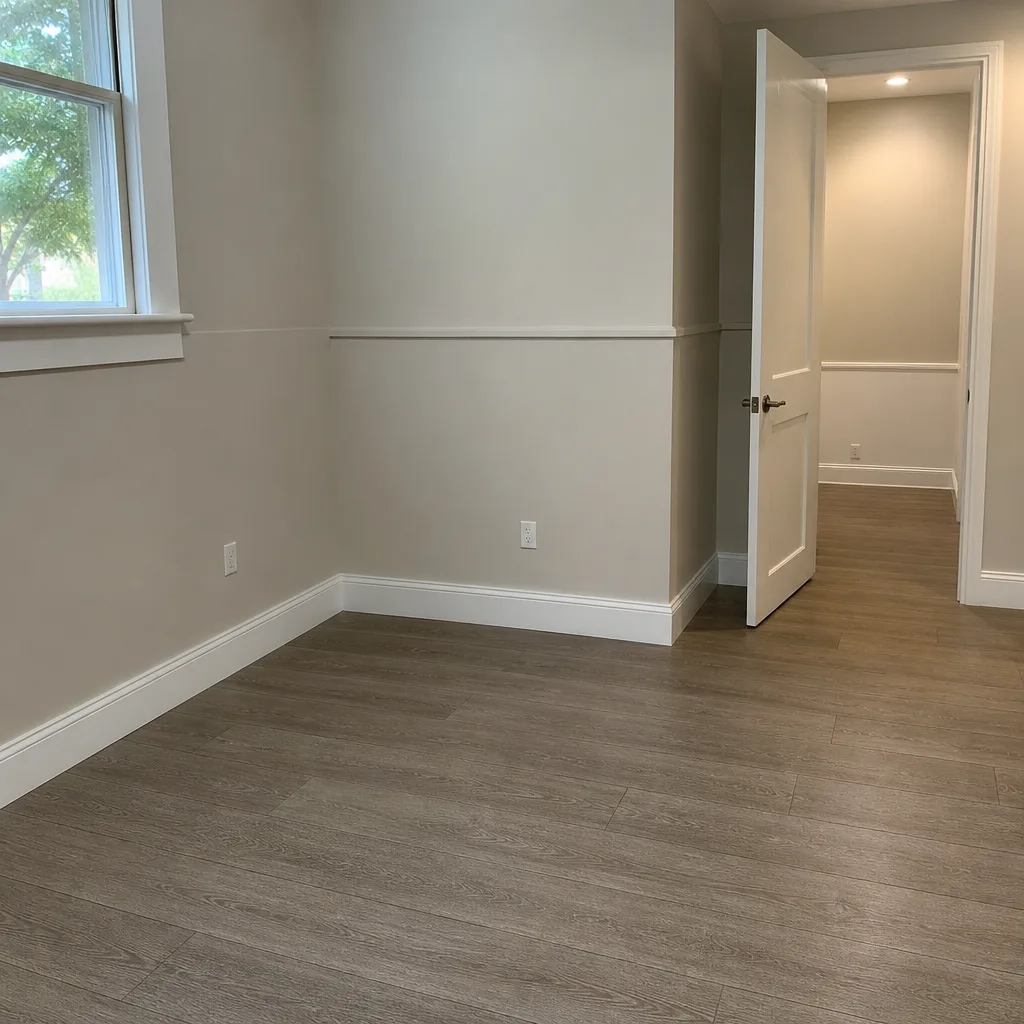 After
After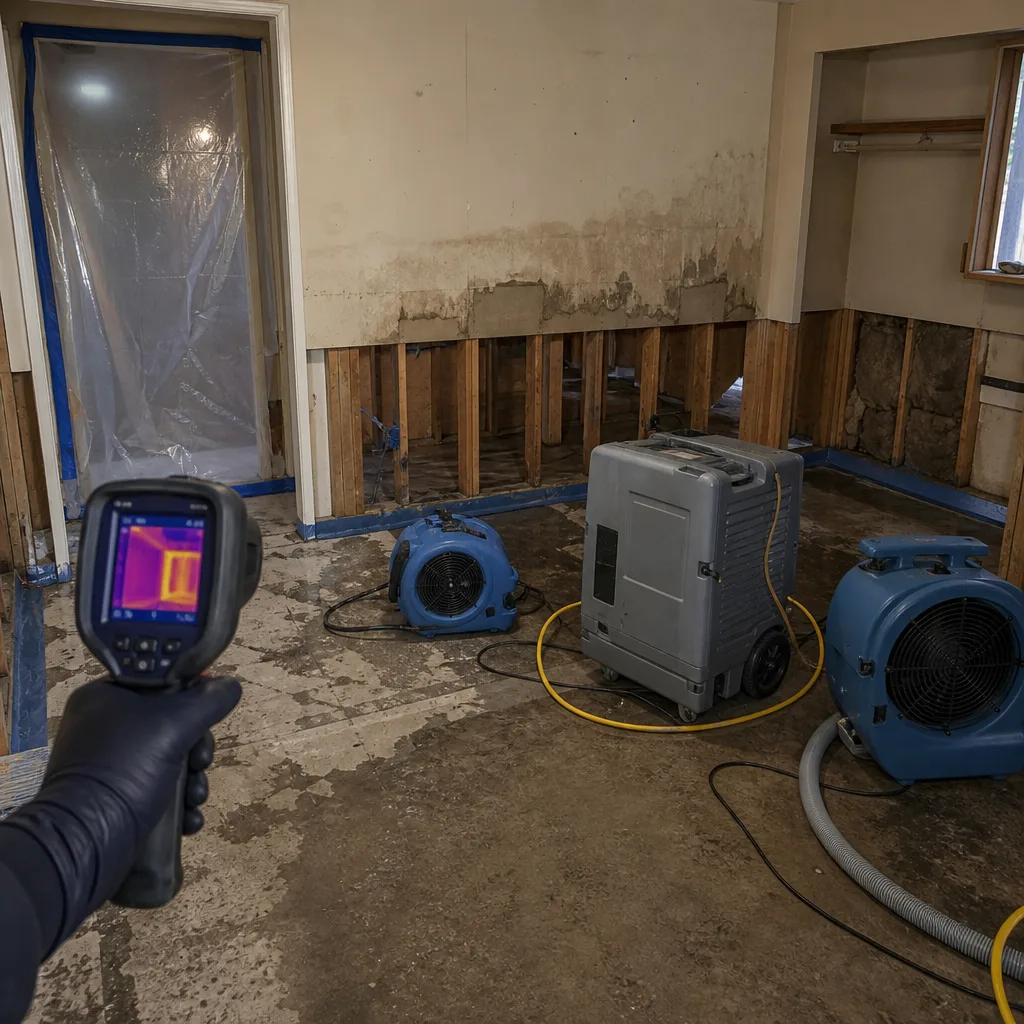 Before
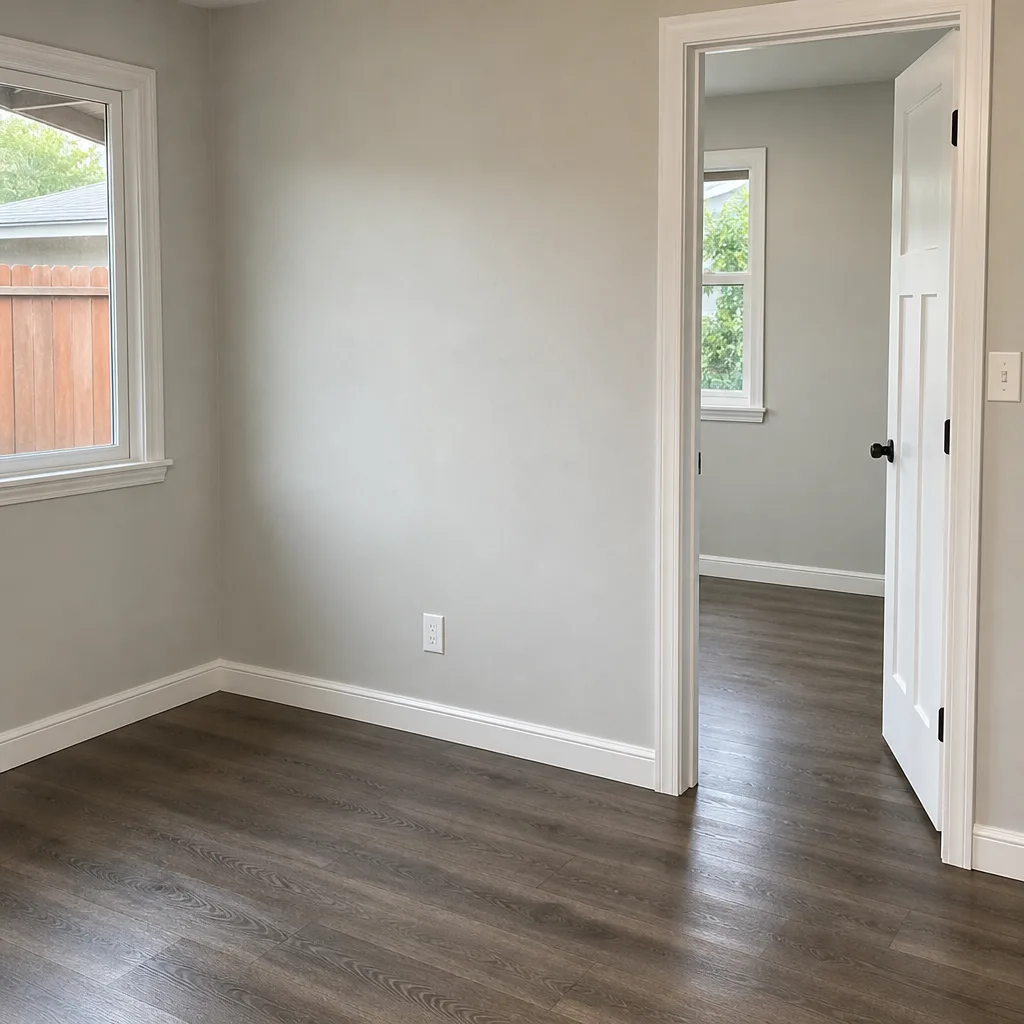 After
After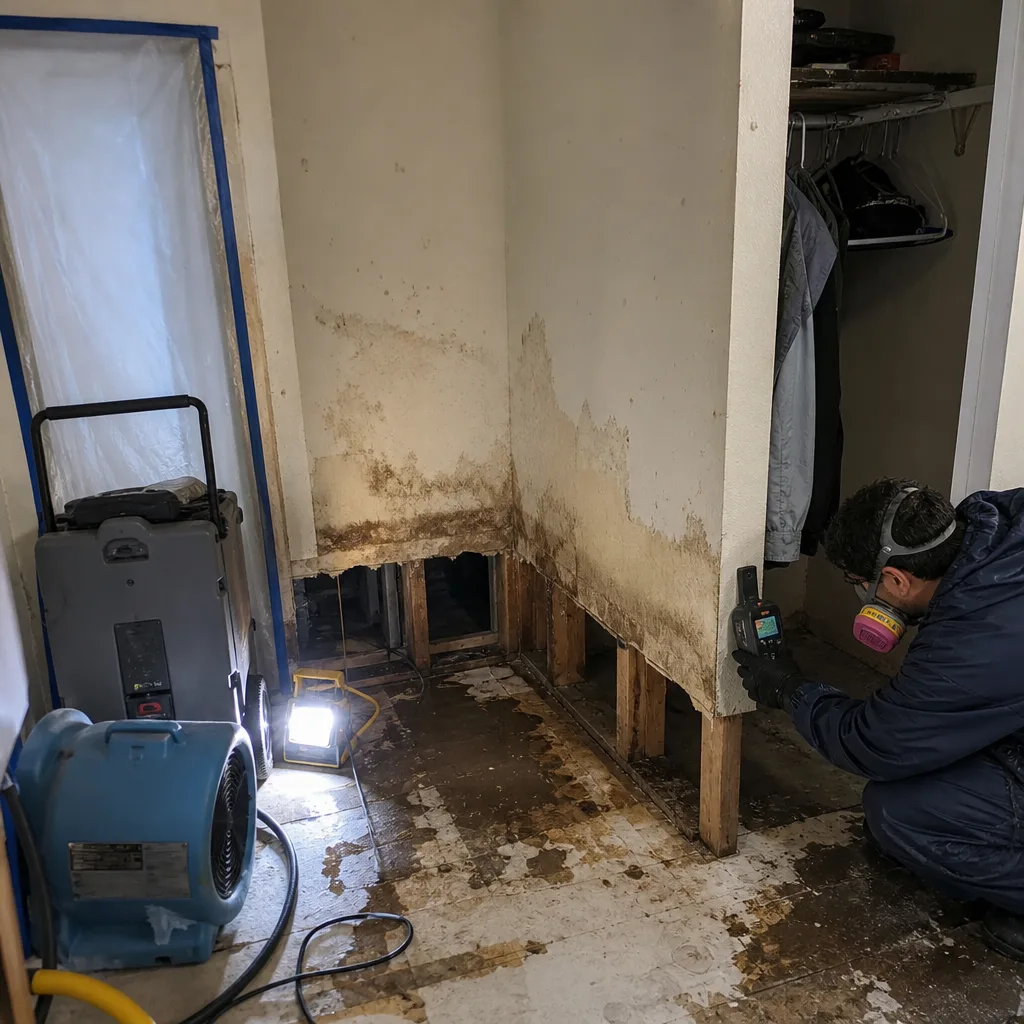 Before
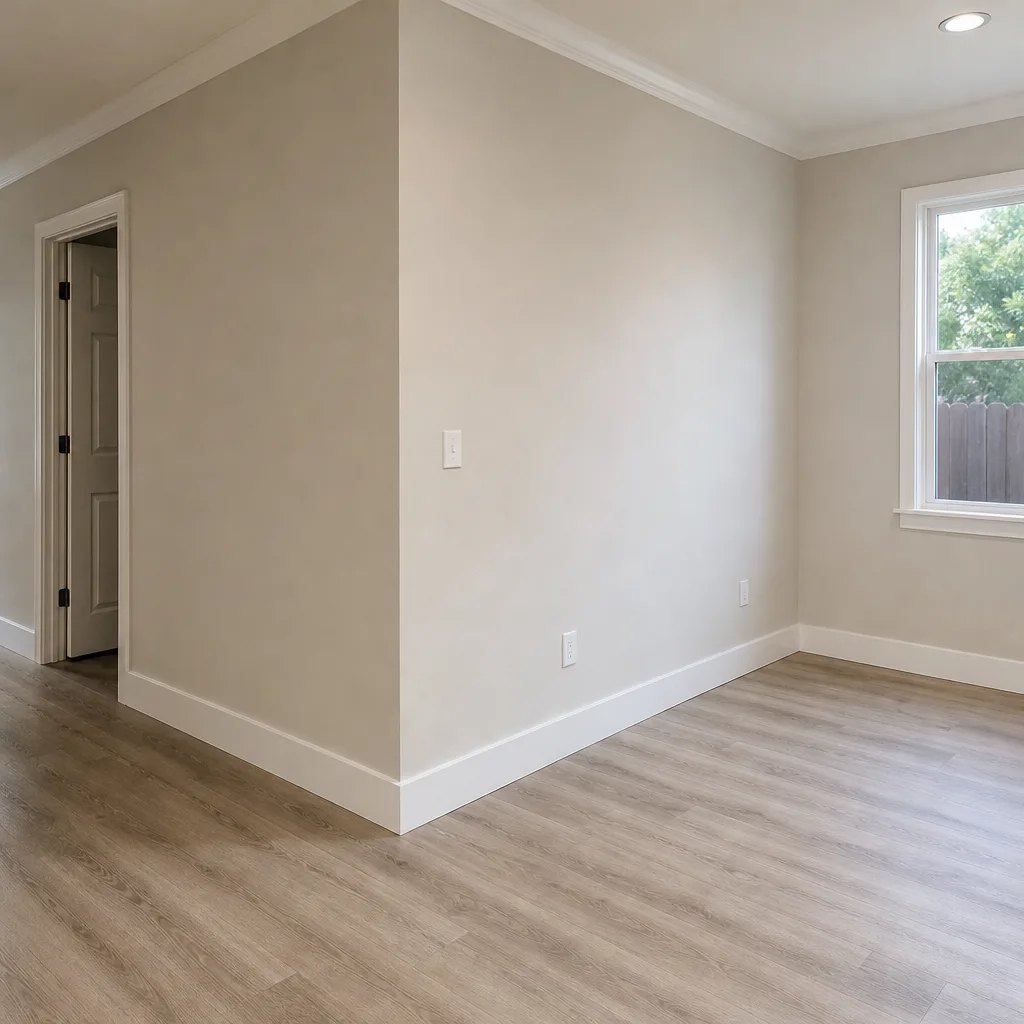 After
After