
Last updated October 16, 2026
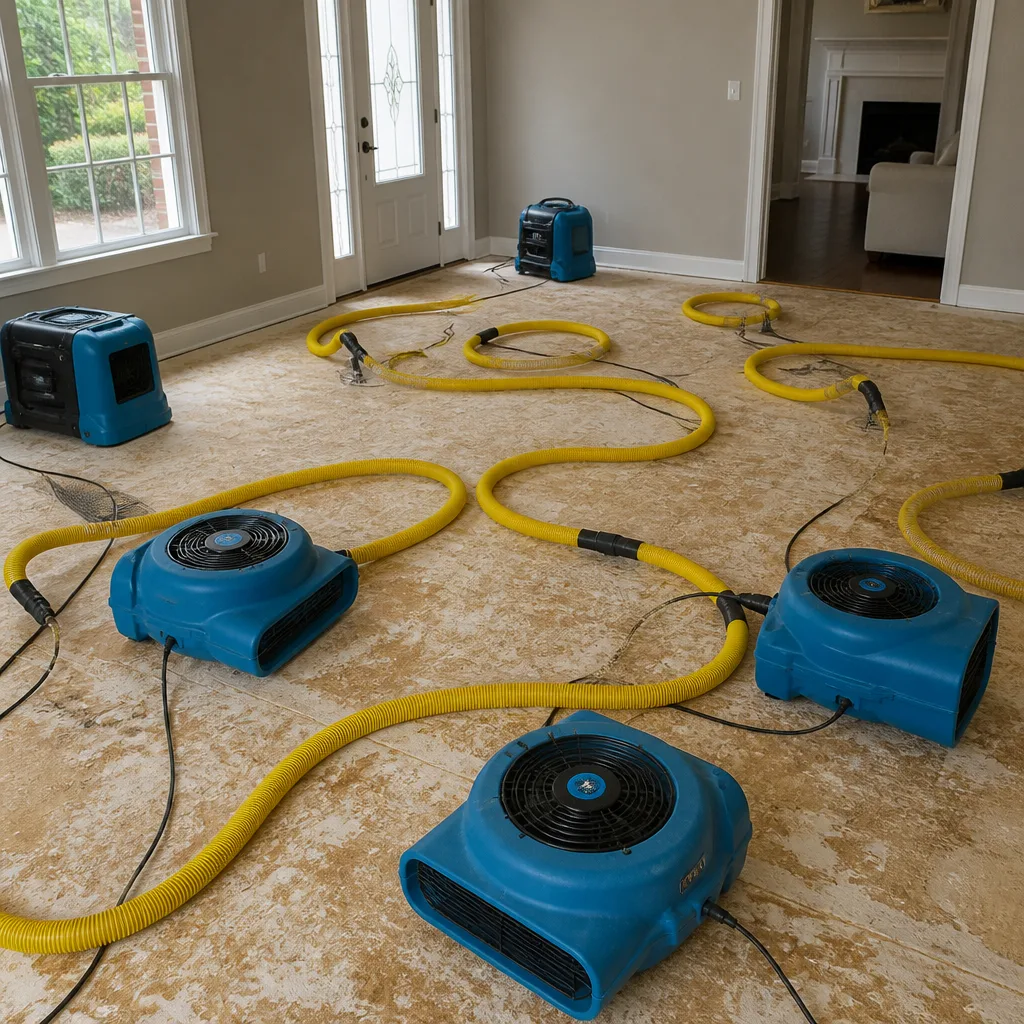 Water damage drying
 Fire & smoke cleanup
 Mold remediation
 Storm response
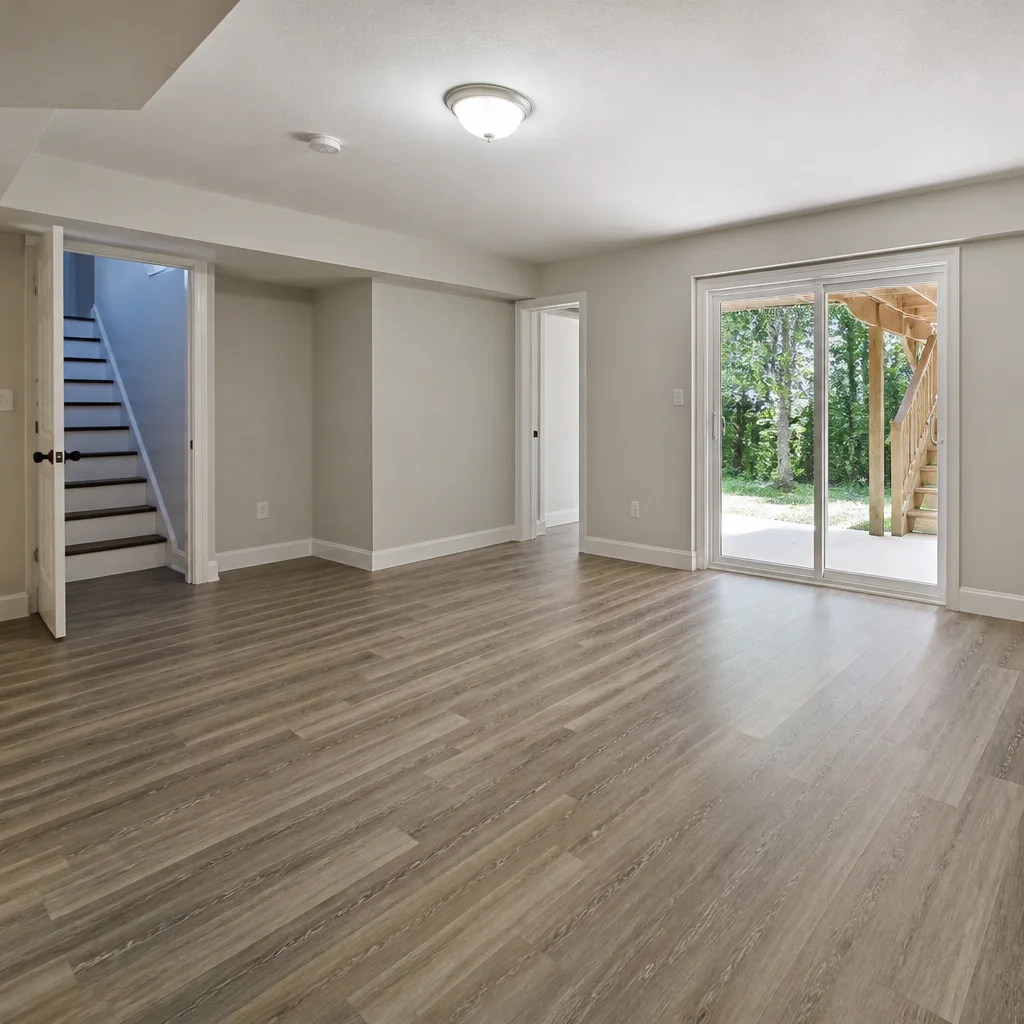 Sewage cleanup
 Reconstruction
Free visual inspection and a written scope of work before any mitigation begins - photos, moisture readings, and drying logs go in your claim file
The scope we write is the scope we bill. Anything new gets shown to you, in writing, before we touch it.
Get your free estimateSeasonal Damage Restoration Care for Fresno: Year-Round Homeowner’s Guide
Fresno averages fewer than 11 inches of rain per year. Most homeowners assume that means water damage is a minor concern, something that happens to houses in Seattle or Miami. The reality is different: water damage claims in Fresno spike twice a year, once in January during tule fog condensation season and again in September when irrigation systems are winterized incorrectly. Neither spike has anything to do with heavy rain. This guide explains the two-season stress cycle that shapes how Fresno homes actually fail, and gives you a practical care plan for each stretch of the year; for a deeper dive, see The Complete Guide to Damage Restoration in Fresno.
Quick Answer
Seasonal damage prevention in Fresno means managing two distinct failure modes: long-duration surface moisture from winter tule fog that penetrates window frames, attic vents, and crawl spaces, and irrigation system mismanagement in spring and fall that sends water where it should never go. A year-round home log documenting moisture readings, appliance ages, and past repairs is the single most useful tool a homeowner can keep, because it lets a restoration contractor assess accurately instead of starting from zero when something does go wrong; our Water Damage Restoration Maintenance Checklist for Fresno Homeowners shows exactly what to track.
Restoration work we handle
Table of Contents
- Winter (December – February): Tule Fog and the Slow Soak
- Spring (March – May): Irrigation Startup Done Safely
- Summer (June – August): Heat Stress on Supply Lines and Water Heaters
- Fall (September – November): Irrigation Winterization and Roof Penetration Checks
- Year-Round: The Home Moisture and Repair Log
- Common Mistakes to Avoid
- When to Call a Professional
- Frequently Asked Questions
Winter (December – February): Tule Fog and the Slow Soak
Heavy rain runs off a roof and into gutters. That is predictable, and most homes in Fresno are built to handle it. Tule fog is different. It forms in the Central Valley when cold air settles over damp ground after a rain, and it can sit for days at a time. The fog does not pour off a roof. It hangs in the air, condenses on every cool surface, and stays there. That long-duration surface moisture is what penetrates window frames, attic vents, and crawl spaces in ways a passing rainstorm never does.
We have walked into homes in Fresno in January where the corners of window frames were damp to the touch, not from a leak but from weeks of condensation working its way into the wood. The damage looks slow at first, but it compounds. By February, that moisture becomes the starting condition for mold growth the moment indoor temperatures rise even slightly.
Here is what to check during fog season:
- Window frame corners and sills: Run a dry hand along the bottom corners of north-facing windows on foggy mornings. If the wood feels cool and slightly tacky, condensation is collecting there. Wipe it dry and note it in your home log.
- Attic vents: Tule fog does not need a roof leak to get moisture into an attic. It flows in through ridge vents and gable vents as airborne vapor. Check attic insulation near vents for any sign of dampness or compaction, which means moisture has been condensing there.
- Crawl space surfaces: Crawl spaces in Fresno rarely flood during winter, but they do get persistently humid during fog events. If your crawl space has exposed soil, check that the vapor barrier is intact. A torn barrier turns a manageable fog season into a mold problem by March.
- Exterior wall penetrations: Hose bibs, electrical conduits, and cable lines that pass through stucco can wick condensation inward. Look for staining or softness around the penetration on the interior side.
The practical winter care plan is short: inspect on foggy mornings, dry what you find, and document what you see. A moisture meter helps, and a basic one costs less than a dinner for two. If you find damp insulation or soft window frames, that is a signal to call a professional before the problem moves inward. Our Water Damage Restoration in Fresno team starts every fog-season assessment by locating the tide mark, the line where moisture actually traveled, and drying past it rather than stopping at the visible edge.
Spring (March – May): Irrigation Startup Done Safely
If there is one seasonal event that causes more homeowner-created water damage in Fresno than any other, it is the spring irrigation startup. The damage rarely comes from the first valve opening. It comes from what happened over winter: water left in underground lines that froze, cracked fittings, or created weak points. When the system comes back on in March or April, those weak points fail, and the failure often happens inside a valve box, under a sidewalk, or against a foundation wall where water can run for hours before anyone notices.
We have seen the result in neighborhoods across Fresno. A homeowner turns on the sprinkler timer for the first time, hears water moving, and walks away. Three hours later, water is seeping through a garage wall or pooling in a flower bed. By then, soil around the foundation is saturated, and the water has found its way toward the lowest point in the structure.
Here is a safe irrigation startup sequence:
- Inspect every valve box before turning on the water. Open each box and look for standing water, mud, or cracked fittings. If the box is full of water, that is a problem that existed before startup.
- Turn on the main irrigation shutoff slowly. A sudden surge of pressure can blow out a weak fitting that would have held under gradual pressure. Give the system 60 seconds to pressurize.
- Run each zone for one minute while walking the line. Look for water coming up where it should not be: between pavers, against the foundation, pooling in one spot. One minute per zone is enough to expose most leaks.
- Check the area around the controller and backflow preventer. Backflow devices often fail over winter and start leaking at the first pressurization. A leaking backflow preventer near a foundation is a fast path to structural moisture.
- Run a full cycle and re-check the valve boxes. After the system has run a complete schedule, open the valve boxes again. New leaks take time to appear.
If you find a leak during startup, shut the irrigation main off and call for help before the water has a chance to migrate. The cost of a small valve repair is a rounding error compared to structural drying after water runs against a foundation for six hours.
Summer (June – August): Heat Stress on Supply Lines and Water Heaters
Fresno summers regularly push past 100 degrees for weeks at a time. Extreme heat does two things to a home’s water systems. First, it accelerates the aging of rubber and plastic components in supply lines, washing machine hoses, and water heater connections. Second, it increases water pressure inside pipes as the water expands, which puts additional strain on those already-weakened components. The most common summer water damage call we respond to is a failed supply line under a sink or behind a washing machine that gave way during a heat wave.
The warning signs that signal imminent failure rather than eventual wear are specific:
- Bulging or ballooning on a braided supply line: If you can feel a soft spot or see a bulge under the braid, the inner hose has already failed and the braid is the only thing holding pressure. That is an imminent failure.
- Cracks or checking on rubber hoses: Washing machine hoses that show any surface cracking should be replaced the same day. Heat has already compromised the rubber.
- Rust or corrosion at connection points: Where a supply line meets a shutoff valve or an appliance, any visible rust means the seal is degrading. The failure may be a slow drip or a sudden burst, and you should not wait to find out which.
- Water heater hissing, popping, or weeping from the pressure relief valve: Popping sounds are sediment boiling inside the tank, and a weeping relief valve means the tank is over-pressurizing. Both are signs the water heater is working past its design limits in Fresno heat.
Summer is also when we recommend checking the water pressure at an exterior hose bib with an inexpensive pressure gauge. Fresno’s municipal supply pressure varies by neighborhood, but sustained pressure above 80 psi is hard on every component in your system. A pressure regulator that is properly set can extend the life of every supply line and appliance connection in the house.
When a supply line does fail, speed matters more than anything else. Water from a burst line can spread through a Fresno slab foundation quickly, moving under flooring and into wall cavities where it is invisible. Our technicians use professional-grade drying equipment from Dri-Eaz and Phoenix to dry past the visible tide mark, because the water that moved into the wall is the water that will cause mold in September if it is not addressed in June.
Fall (September – November): Irrigation Winterization and Roof Penetration Checks
Fresno’s brief rainy season is concentrated, not scattered. When rain does come, often between November and March, it can arrive in short, intense bursts that expose every weak point in a roof’s drainage system. That means fall is the time to check roof penetrations, and it is also the time to winterize irrigation systems correctly so they do not become spring’s problem.
The most common irrigation winterization mistake in Fresno is not winterizing at all. Homeowners in this climate assume that because the ground rarely freezes, the system is fine as-is. But Fresno does get hard freezes, and even when the soil does not freeze, standing water in valve bodies and backflow preventers can crack fittings when a cold snap does arrive. The correct sequence is:
- Shut off the irrigation main at the street or backflow device. Find the dedicated irrigation shutoff and close it fully.
- Drain the backflow preventer. Most residential systems in Fresno have a pressure vacuum breaker or reduced pressure zone device above ground. Open the test cocks and drain ports to let water out. Leave them open slightly through winter.
- Blow out the lines if you have the equipment. Compressed air is the standard method for clearing underground lines. If you are not comfortable doing this, hire an irrigation contractor. The cost is modest compared to a cracked valve manifold in March.
- Close the controller program or switch it to off. The timer should not be running a schedule on an empty system.
- Document what you did in your home log. Note the date, what you drained, and anything that looked questionable. That note becomes the starting point for a safe spring startup.
Roof penetration checks in fall are equally important. Here is the quick walkthrough: look at every pipe boot, vent, skylight, and chimney flashing from the ground or from a ladder if you can do so safely. Look for cracked rubber boots around plumbing vents, which is the most common source of Fresno roof leaks during rain events. Check that the flashing is still seated and that no fasteners have backed out. If you see anything questionable, have it sealed before the rain arrives, because by the time water shows up on a ceiling, the repair has already become a restoration.
Year-Round: The Home Moisture and Repair Log
Every restoration contractor in Fresno has walked into a home and asked the homeowner, “When did this start?” only to get a shrug. That missing information matters, because a slow leak that has been running for two weeks requires a very different response than a pipe that burst this morning. A home log closes that information gap.
The log does not need to be elaborate. A simple notebook or a digital document works. What matters is that you record the same categories consistently:
- Moisture readings: If you own a moisture meter, take a baseline reading in a few locations: under the kitchen sink, near the water heater, in the crawl space if accessible. Record the numbers so you can detect changes over time.
- Appliance ages and service dates: Write down when your water heater was installed, when washing machine hoses were last replaced, when the dishwasher was serviced. These dates tell a restoration contractor what is likely to have failed based on age, not guesswork.
- Past repairs and water events: Any past leak, no matter how small, should be in the log. A pipe that leaked once and was repaired is more likely to leak again, and that information helps a contractor know where to look first.
- Seasonal checklists: The winter fog inspection, the spring irrigation startup, the summer supply line check, and the fall winterization all belong in the log with dates and notes.
When you call a contractor, that log is the difference between an assessment that starts from zero and one that starts from your home’s actual history. It saves time, reduces the chance of unnecessary demolition, and helps the contractor give you an accurate written price before any work starts-something our Damage Restoration Cost Breakdown: The Fresno Homeowner’s Reference for 2026 explains in detail.
Common Mistakes to Avoid
- Assuming Fresno’s low rainfall means low water damage risk. The two damage spikes in this climate come from fog condensation and irrigation errors, not rain volume. Homes in Fresno fail differently than homes in rainy climates, and the prevention steps are different.
- Turning on the irrigation system in spring without inspecting valve boxes first. This is the single most common self-inflicted water damage event we see in Fresno. A five-minute valve box check prevents most of them.
- Ignoring a bulging supply line because it is not leaking yet. A bulge in a braided line means the inner hose has already failed. Waiting for the drip is waiting for a burst.
- Skipping irrigation winterization because ‘Fresno does not get that cold.’ It does get cold enough. Cracked backflow preventers and valve manifolds are a March repair bill that was preventable in November.
- Not documenting moisture and repairs. When a restoration contractor asks when the problem started, the answer should be in your home log, not a guess.
- Wiping up visible water and assuming the problem is solved. Water moves laterally and downward through building materials. The visible puddle is rarely the full extent of the damage. Surface drying is not structural drying.
- Waiting for a rainy day to check the roof. By the time rain exposes a roof penetration problem, water is already inside the structure. Fall, before the first rain, is the time to look.
When to Call a Professional
Some seasonal care tasks are homeowner work: checking valve boxes, wiping condensation from window frames, documenting appliance ages in a log. Others are not. If you find damp insulation in an attic, soft or stained drywall around a window, water movement you cannot trace to a source, or any sign of mold growth, that is a call to a professional. The same goes for irrigation failures that have run against a foundation, supply line bursts, and any water event where the visible water is only part of what you suspect happened. Water Damage Restoration in Fresno is our core service, and a free estimate with a written price before any work starts means you will know the scope and the cost before anyone picks up a tool. Call (559) 354-1680 and talk to a live person, any hour of the day or night.
Frequently Asked Questions
Most water damage restoration jobs in Fresno homes run between $1,800 and $6,500 depending on the size of the affected area, the materials involved, and how far the water traveled. A small supply line leak under a sink might cost $1,200 to $1,800, while a whole-room event with structural drying can reach $6,500 or more. At Tidemark Water Damage Fresno, you receive a written price before any work starts, so the final invoice matches the number you approved. Call (559) 354-1680 for a free estimate.
Homeowners insurance typically covers sudden and accidental water damage, such as a burst supply line or a failed appliance hose, but it generally does not cover damage from long-term condensation, slow leaks, or neglected maintenance. The best step is to call your insurer as soon as you find the problem, and to document everything with photos before any cleanup begins. Our team takes photo documentation before, during, and after every job, and we coordinate directly with your adjuster so the file is complete.
Tidemark Water Damage Fresno answers calls live 24/7, and in most cases a crew can be at your home the same day. Speed is important on water events because moisture moves through building materials quickly, but our teams also follow the C.A.R.E. standard: shoe covers go on at the door, drop cloths cover the floor before any equipment comes in, and the scope is explained to you before work begins.
The answer depends on where the water went, not just how much you can see. A small leak that stayed on a tile floor needs a different response than a small leak that ran under the flooring and into a wall cavity. At Tidemark, we locate the tide mark, the line where water actually traveled, and dry past it. That approach means we do not recommend more work than the water actually requires, and we do not stop short of what it does require.
Tule fog creates long-duration surface moisture that condenses on cool surfaces like window frames, attic vents, and crawl space surfaces. Unlike rain, which runs off and dries quickly, fog moisture can persist for days and penetrate building materials slowly. Over a winter, that persistent dampness becomes the starting condition for mold growth and wood rot, especially in north-facing walls and underinsulated attics.
Replace washing machine hoses every three to five years in Fresno, and sooner if you see any surface cracking, bulging, or rust at the connections. The combination of extreme summer heat and hard municipal water shortens hose life in this climate. Braided stainless steel hoses last longer than rubber, but the braiding can hide an inner failure, so inspect them regularly and document the replacement date in your home log.
The Bottom Line
Fresno homes live on a two-season stress cycle. Winter fog brings slow, penetrating moisture that damages window frames, attics, and crawl spaces without a drop of rain. Spring and fall bring irrigation errors that send water where it should never go. Summer heat pushes supply lines and water heaters past their limits. The homeowner who keeps a simple log, inspects at the right times, and knows when to call for help will catch most problems before they become restorations. And when restoration is needed, a written price, a live person on the phone, and a crew that protects your floors and respects your home changes the whole experience. For more guides & resources, visit our blog. That is how we work at Tidemark Water Damage Fresno, and that is how a Fresno home should be cared for.
Written by Rick Sumner, Owner at Tidemark Water Damage Fresno home, serving Fresno since 2006.
See the difference
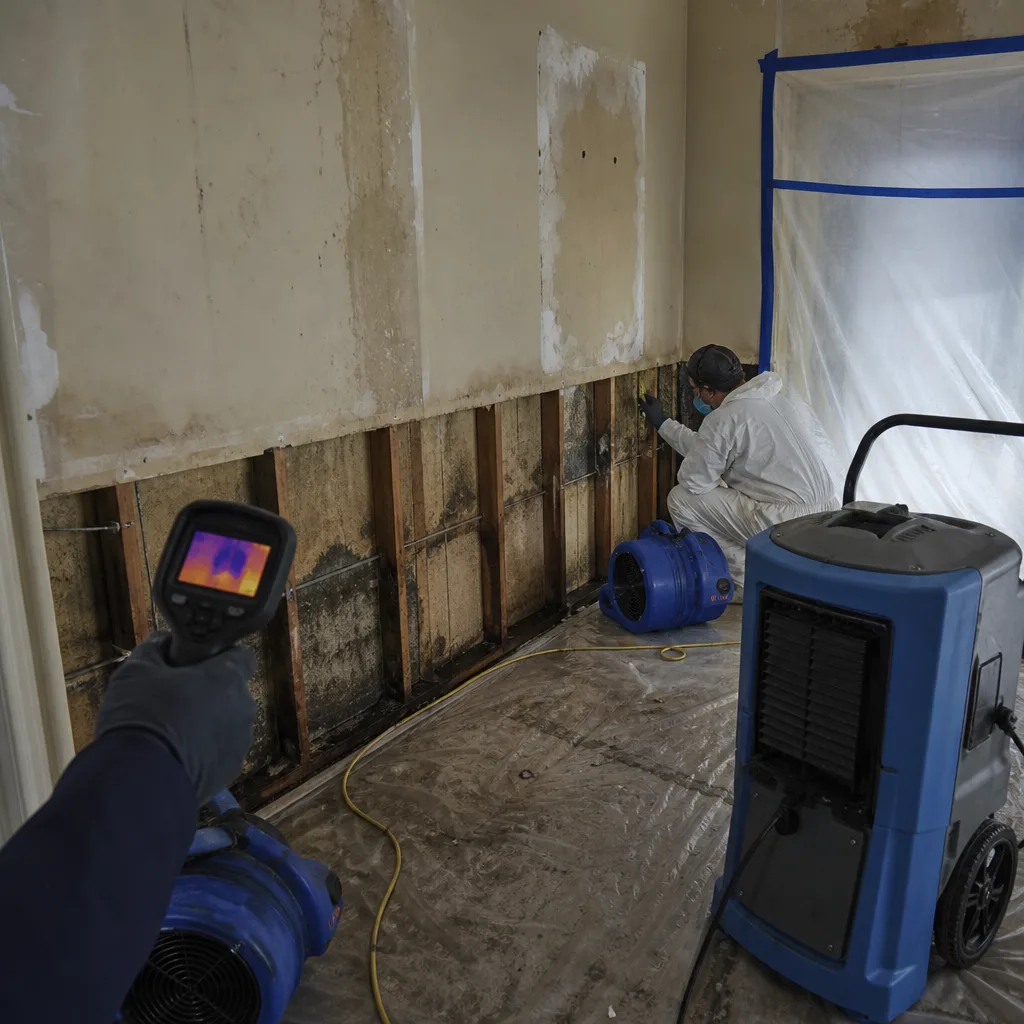 Before
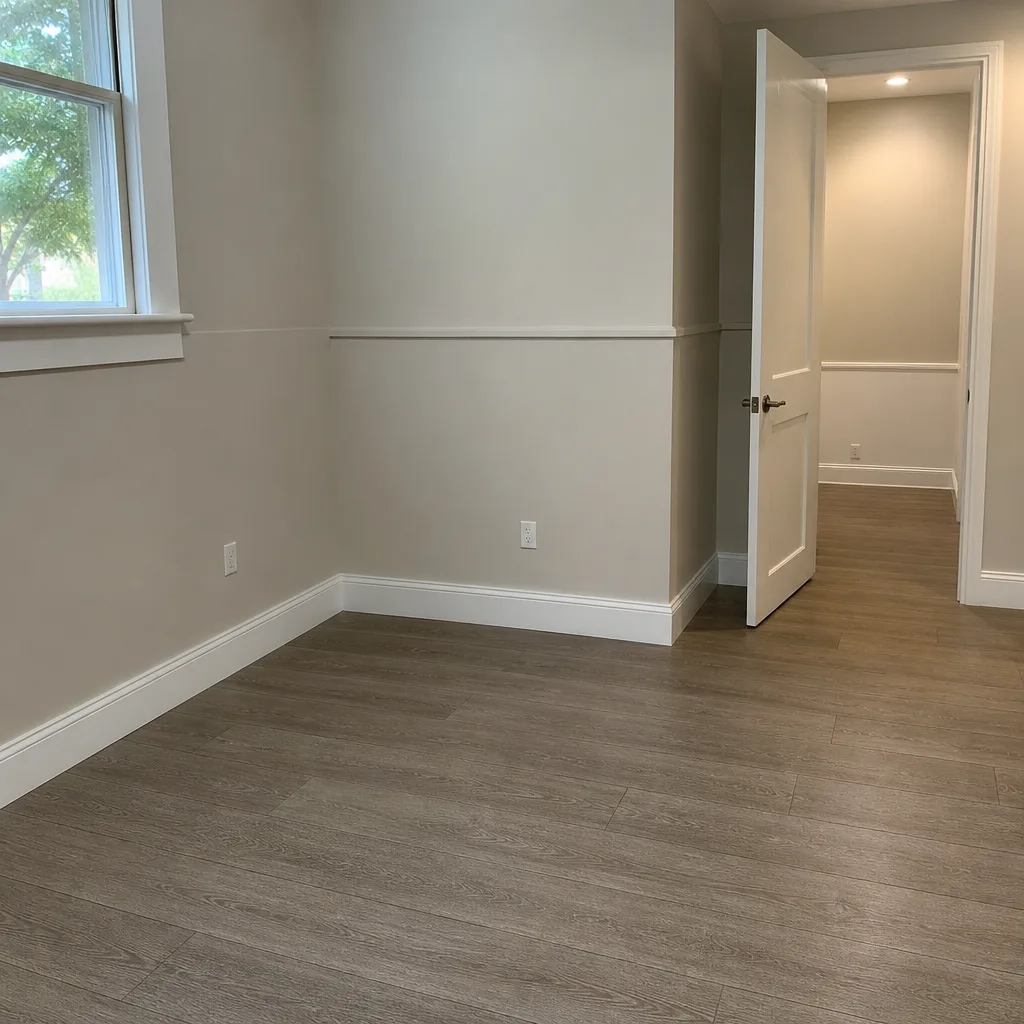 After
After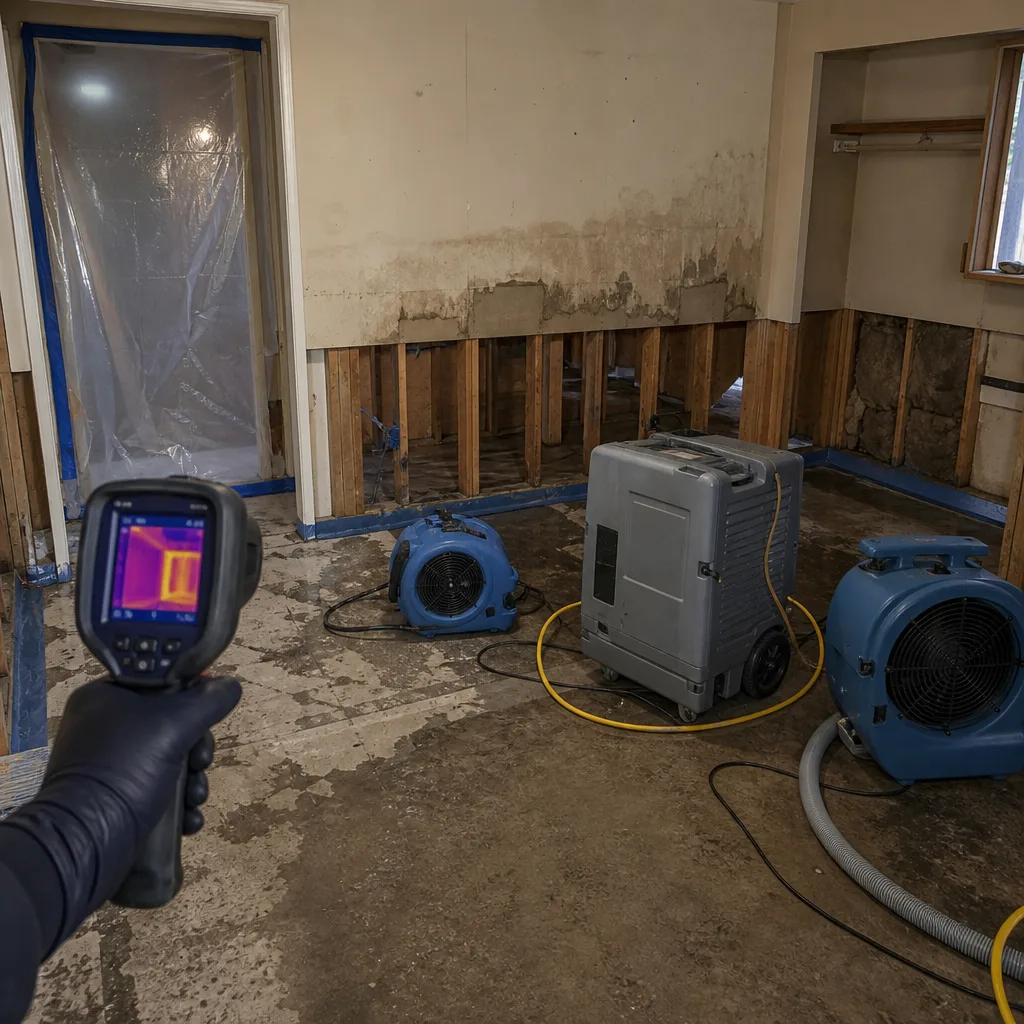 Before
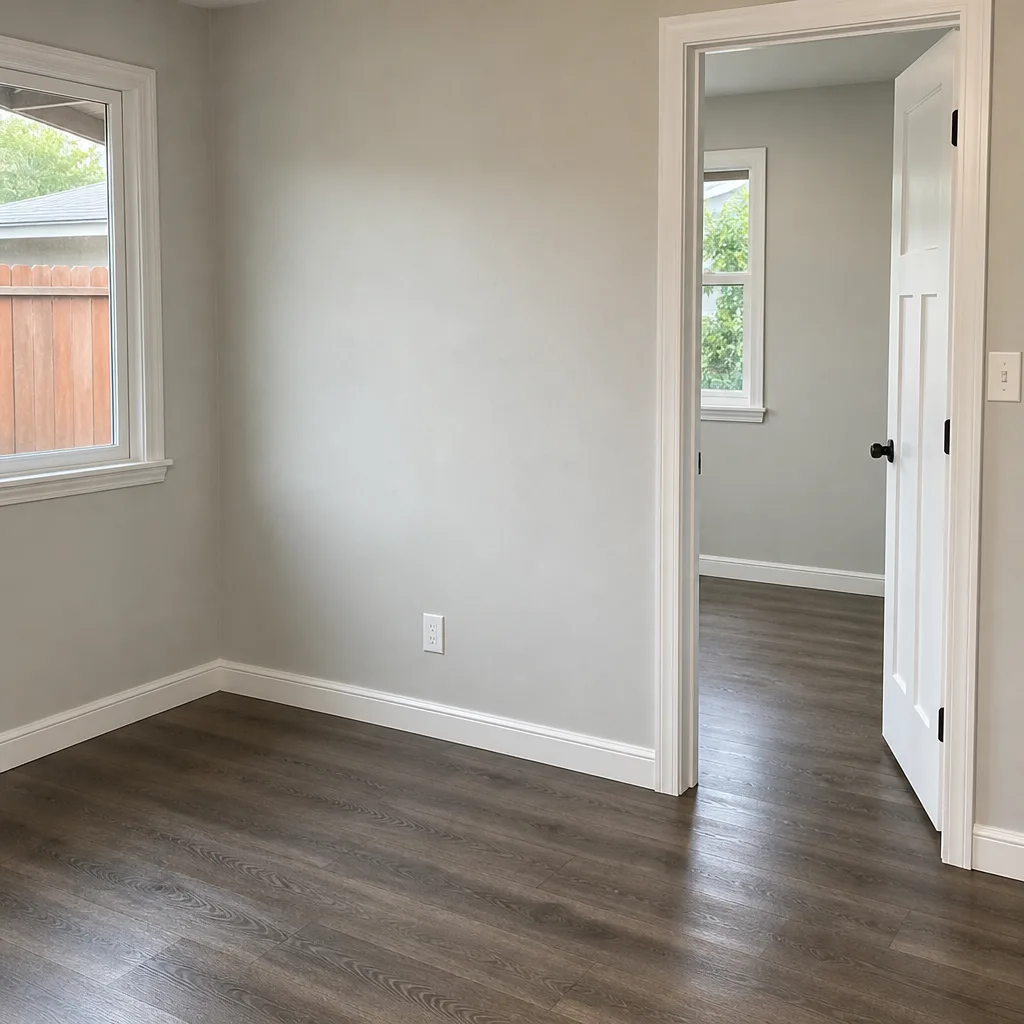 After
After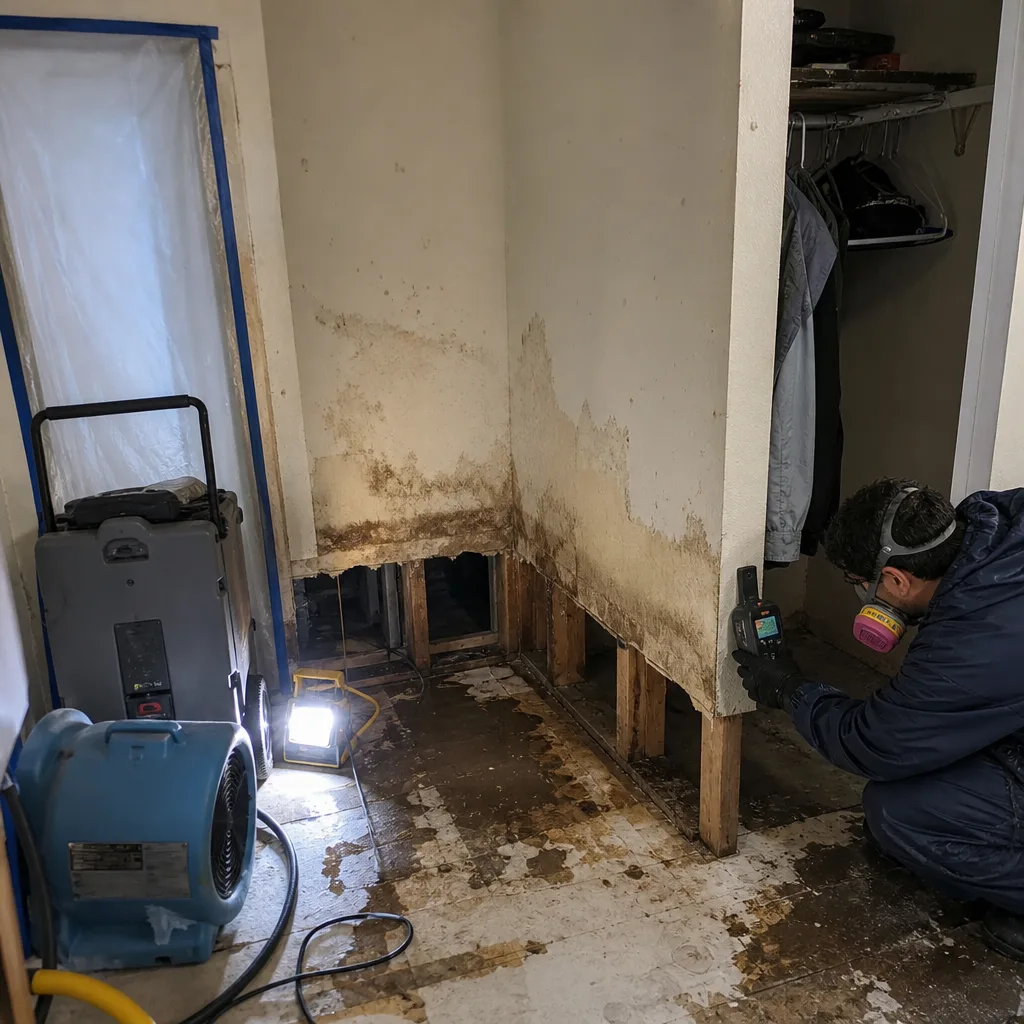 Before
 After
After