
Last updated October 16, 2026
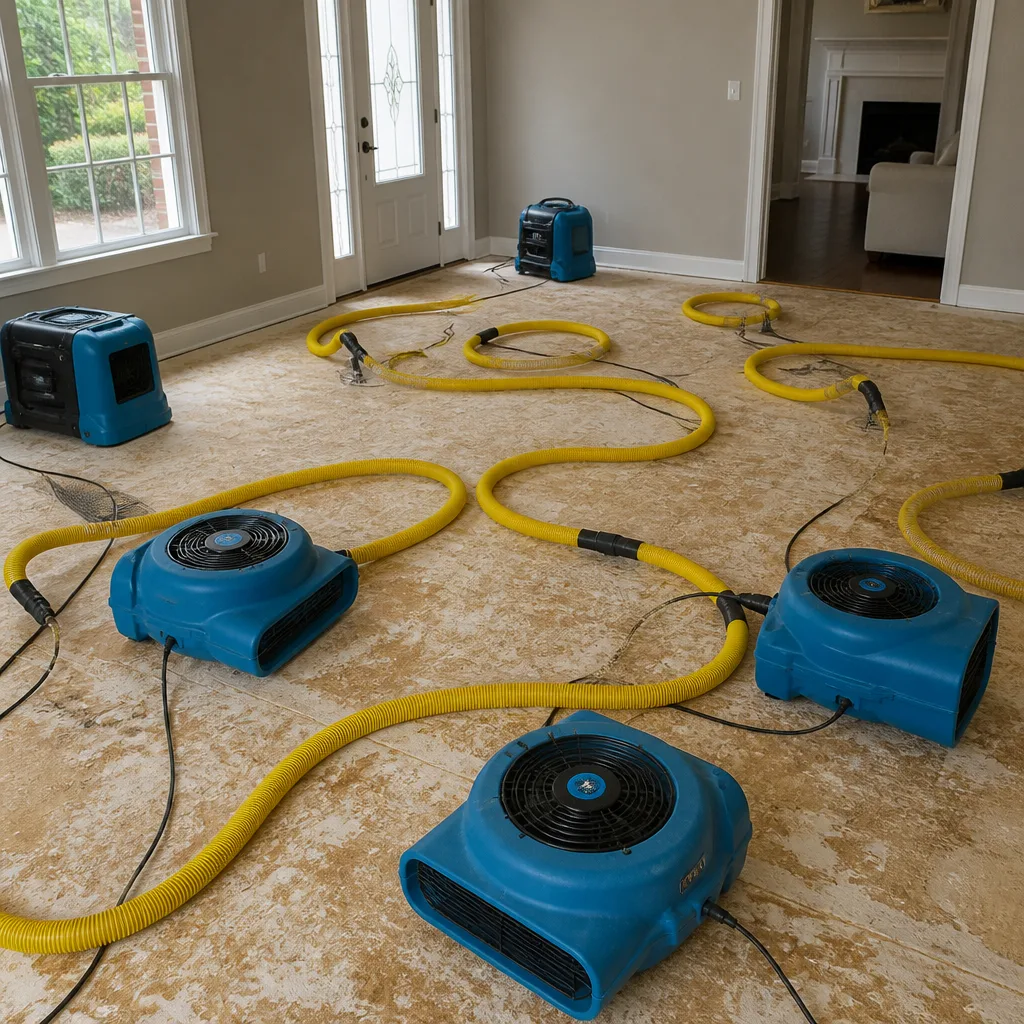 Water damage drying
 Fire & smoke cleanup
 Mold remediation
 Storm response
 Sewage cleanup
 Reconstruction
Free visual inspection and a written scope of work before any mitigation begins - photos, moisture readings, and drying logs go in your claim file
The scope we write is the scope we bill. Anything new gets shown to you, in writing, before we touch it.
Get your free estimateDamage Restoration Permits, Codes & Inspections in CA: What You Need to Know
If a restoration contractor removes and replaces more than 100 square feet of drywall in California without a permit, the legal exposure for that unpermitted work follows the home’s title, not the contractor’s license, when you sell. Most Fresno homeowners never hear this from a contractor until a title search flags it years later. This guide translates the California Building Code, Fresno local amendments, and Title 24 energy rules into plain language so you know exactly when a permit is required, who should pull it, and how to verify the work was actually inspected and signed off. For more guides & resources on protecting your home, see our blog.
Quick Answer
California requires building permits for restoration work that changes structure, electrical, plumbing, or mechanical systems, while repair-only work like drying, cleaning, and replacing like-for-like finishes under 100 square feet is generally exempt. In Fresno, the City Development and Resource Management department reviews permit applications, and restoration permits typically take 1 to 5 business days for over-the-counter approval when plans are complete. The homeowner holds final legal responsibility for unpermitted work regardless of what a contractor promises, so verify the permit number and final inspection before paying the final invoice.
Restoration work we handle
Table of Contents
- Which Restoration Tasks Trigger a Permit in California
- Repair-Only Work vs. Restoration Work: The Legal Line
- How Fresno’s Permit and Inspection Process Works
- Contractor-Pulled vs. Homeowner-Pulled Permits: What Changes
- Title 24 Energy Code: The Hidden Cost When Exterior Walls Open
- How to Verify a Permit Was Actually Filed and Passed
- Asbestos and Lead Rules for Pre-1978 Fresno Homes
- Common Mistakes to Avoid
- When to Call a Professional
- Frequently Asked Questions
Which Restoration Tasks Trigger a Permit in California
California Building Code Section 105 lists the work that requires a permit, and restoration falls under it more often than homeowners assume. The rule is straightforward: permits are required when work alters structure, changes electrical or plumbing systems, modifies mechanical equipment, or replaces materials beyond like-for-like repair. Here is the practical breakdown for restoration work in Fresno.
Work that requires a building permit in California:
- Structural repairs: Replacing studs, sill plates, floor joists, rafters, or any framing member damaged by water or fire. Even one rotted stud behind a shower wall triggers the requirement if it is being cut out and replaced.
- Drywall replacement over 100 square feet: This is the threshold most often missed. Patching a 4-by-4 hole is repair work. Removing and replacing drywall across an entire water-damaged room is not.
- Electrical work beyond device replacement: Replacing a water-damaged outlet is repair. Pulling new Romex through walls, adding circuits, or replacing a subpanel after fire damage requires a permit and an electrical inspection.
- Plumbing beyond fixture replacement: Swapping a water-damaged sink faucet is repair. Replacing supply lines inside walls, moving drain locations, or re-piping a slab leak section requires a permit.
- HVAC duct replacement: If water or fire damaged ductwork and it is being replaced rather than cleaned, the mechanical permit applies in most Fresno jurisdictions.
- Window or exterior door replacement: When fire or impact damage requires new windows or doors, the opening size and framing work usually trigger a permit.
- Roof sheathing replacement: If water intrusion rotted roof decking and more than two sheets of plywood are being replaced, a reroof permit is required.
Here is what surprises most Fresno homeowners: the permit requirement is not about the size of the damage, it is about the type of work being done. A 40-square-foot drywall patch in a hallway is repair work, no permit needed. A 120-square-foot drywall replacement across a ceiling is a permit job. We have walked into homes in the Tower District where a previous contractor had done entire garage conversions without permits, and the homeowner only discovered it when refinancing. These are exactly the kinds of hidden problems covered in our Damage Restoration Warning Signs: A Fresno Homeowner’s Reference Guide. The liability sat with them, not the contractor who had long since disappeared.
Repair-Only Work vs. Restoration Work: The Legal Line
The California Building Code draws a specific line between maintenance and repair, which is exempt, and restoration and remodel work, which is not. Knowing this line protects you from two problems: paying for permits you do not need, and skipping permits you do need and absorbing the title liability later.
Repair-only work, exempt from permits, includes:
- Cleaning, drying, and sanitizing after water damage, including antimicrobial treatments and dehumidification. This is the bulk of Water Damage Restoration in Fresno work.
- Mold remediation that removes contaminated drywall without structural changes, provided the removed area stays under 100 square feet. Most Mold Remediation in Fresno projects fall into this category when caught early.
- Paint, flooring, and trim replacement with the same materials in the same locations.
- Cabinet and countertop replacement that does not move plumbing or electrical.
- Insulation replacement in an open wall cavity, when done as part of a repair and inspected without new framing.
Restoration work, requiring permits, includes:
- Replacing any framing, floor structure, or roof structure.
- Relocating or adding electrical outlets, switches, or fixtures.
- Moving drain, waste, or vent lines.
- Changing window or door openings, even by a few inches.
- Replacing an entire room’s drywall, especially after Fire Damage Restoration in Fresno where heat compromised multiple wall sections.
In Fresno specifically, the planning counter at City Hall uses the same California Building Code thresholds but applies local inspection scheduling and fees. The city’s inspectors are reasonable, in our experience, and they will tell you plainly if something needs a permit. Calling them before cutting anything is free.
How Fresno’s Permit and Inspection Process Works
Fresno’s City Development and Resource Management department, commonly called DARM, handles building permits at the downtown permit center. The process for restoration permits follows a predictable path, and planning around it keeps your project from stalling.
Step-by-step for a typical Fresno restoration permit:
- Determine permit type: A simple drywall and insulation permit is over-the-counter. Structural, electrical, plumbing, or mechanical changes route to plan review.
- Submit application: The contractor or homeowner files with DARM, including a scope of work, materials list, and plans if plan review is required. Fees vary by project valuation, and most restoration permits in Fresno run from $150 to $600 depending on the work.
- Plan review: Over-the-counter permits issue the same day when paperwork is complete. Plan review permits take 5 to 20 business days depending on workload and complexity.
- Pay fees and receive permit card: The permit card must be posted at the job site. Inspectors look for it.
- Schedule inspections: Rough inspections happen before drywall closes the wall. Final inspection happens after finishes are installed. Fresno offers inspection scheduling by phone and online, and most inspection dates land within 1 to 3 business days of the request.
- Final sign-off: The inspector signs the permit card and the work is legally complete. Keep a copy of the signed card with your closing documents.
One Fresno-specific detail: if your home is in a historic district like the Wilson Island or Huntington Boulevard areas, additional design review can apply to exterior work that changes visible materials or window styles. Interior restoration rarely triggers this, but exterior fire or storm repairs can. Ask at the DARM counter before assuming.
Contractor-Pulled vs. Homeowner-Pulled Permits: What Changes
Who pulls the permit affects liability, insurance claims, and your legal exposure. Most homeowners assume the contractor should always pull the permit. That is usually true, but the reasons matter more than the habit.
When the contractor pulls the permit in their name, they become the responsible party of record. The permit lists their California contractor license number, and the inspections are scheduled under their account. This means the contractor’s license is on the line if the work fails inspection or if code violations surface later. For insurance claims, a contractor-pulled permit is the cleaner path: the permit documents that licensed professionals performed the work, and the inspection record supports the claim’s scope.
When the homeowner pulls the permit, the legal responsibility shifts to the property owner entirely. The contractor becomes your subcontractor in the eyes of the building department, even if you have a written contract. This arrangement appears legitimate on paper, and some contractors suggest it to save time. The risk is that if the work fails inspection or a code violation appears at sale, the homeowner holds the liability alone. Insurance carriers also treat homeowner-pulled permits with more scrutiny on restoration claims, because the carrier cannot verify that a licensed contractor performed the work to code.
Our position at Tidemark is simple: the contractor performing the work pulls the permit in their name, every time, unless there is a specific legal reason not to. Any contractor who suggests you pull the permit yourself is asking you to carry their liability. In Fresno, where older housing stock from the 1920s through the 1960s often has unpermitted past work already in the walls, adding new unpermitted work only compounds the title risk.
Title 24 Energy Code: The Hidden Cost When Exterior Walls Open
California’s Title 24 energy code kicks in whenever exterior walls are opened during restoration, and this is the cost almost no contractor warns Fresno homeowners about in advance. The rule is not optional, and the inspection will enforce it.
When restoration work opens an exterior wall cavity, Title 24 requires that the wall be brought up to current insulation standards before it is closed. In Fresno’s climate zone 13, that means a minimum of R-13 insulation in 2×4 walls or R-19 in 2×6 walls, plus proper air sealing. If the home was built before 1978, the existing wall insulation is likely below that standard or nonexistent. The restoration budget must include the insulation upgrade, and the permit must show it on the scope.
Here is what this looks like in practice. A water leak soaks an exterior bedroom wall in a 1950s northeast Fresno home. The drywall comes out, the framing dries, and the wall goes back together. Because the exterior wall cavity is open, the building inspector will require R-13 insulation before signing off. That adds $200 to $600 to the job in most cases. It is not a penalty. It is the law, and it genuinely lowers your cooling bill in Fresno’s summer heat.
There is a second Title 24 piece that applies to fire and flood restoration: if exterior windows or doors are being replaced as part of the restoration, they must meet current energy performance standards. Getting this right the first time avoids a failed inspection and a second round of fees. A contractor who knows Fresno’s climate zone and Title 24 requirements will put this line item in the written scope before work starts, not surprise you with it after the wall is open.
How to Verify a Permit Was Actually Filed and Passed
You should never take a contractor’s word that a permit was filed and the work passed inspection. In Fresno, verification is free, public, and takes ten minutes. Here is the exact process.
- Get the permit number in writing before work starts: Ask the contractor for the permit number and the issuing department. If they cannot produce it inside the first day or two of a permit-required job, pause the work.
- Look it up online: Fresno’s DARM offers an online permit search portal. Enter the address or permit number and confirm the permit status shows as issued, not just applied for.
- Confirm the permit type matches the work: A permit that says “water heater replacement” does not cover the wall rebuild happening in the next room.
- Track inspection results: The same portal shows inspection scheduling and results. Look for a passing final inspection before final payment.
- Keep the signed final inspection record: When the inspector signs off, the permit record updates online and the card at the job site gets signed. Keep both. They are your proof of code compliance, and Fresno title companies will ask for them at sale.
One note for insurance claims: carriers increasingly verify permit records when reviewing large restoration claims. If the claim paid for structural work and no permit exists, the carrier can contest the payout or refuse coverage on future claims tied to that work. This is another reason the permit should be in the original scope and documented from day one.
Asbestos and Lead Rules for Pre-1978 Fresno Homes
Fresno has thousands of homes built before 1978, especially in the Tower District, Old Fig Garden, and the neighborhoods around Fresno High. Those homes carry two material hazards that change what restoration work can legally proceed without specialized licensing: asbestos and lead paint.
For asbestos, the California Air Resources Board and local air districts require that any renovation disturbing more than 100 square feet of suspect material in a pre-1981 home undergo asbestos testing first. Suspect materials in older Fresno homes include popcorn ceiling texture, vinyl floor tiles, pipe insulation, duct wrap, and drywall joint compound. If testing confirms asbestos, the removal must be done by a licensed asbestos abatement contractor, not a general restoration crew. The abatement work carries its own notification requirements and clearances.
For lead paint, the EPA’s Renovation, Repair, and Painting rule applies to any home built before 1978. If the restoration will disturb more than six square feet of interior painted surface or twenty square feet of exterior painted surface, the contractor must be a certified lead-safe renovator. This matters in water and fire restoration because demolition almost always exceeds those thresholds on a full room. The certification requires specific containment, cleaning, and clearance testing procedures.
Here is the practical question to ask any restoration contractor working on an older Fresno home: “Has this material been tested for asbestos and lead, and can you show me the certified results?” If the answer is no and the home is pre-1978, stop the demolition. The contractor is not following state and federal law, and the dust created is a health risk to your family, not a corner to cut. Reputable firms, including our team at Tidemark Water Damage Fresno home, test before cutting and bring in specialty abatement partners when results require it.
Common Mistakes to Avoid
- Taking a contractor’s verbal “we don’t need a permit” at face value. The contractor faces no long-term liability for that claim. You face the title risk at sale. Verify every exemption against the California Building Code thresholds before work starts.
- Letting the contractor pull a homeowner permit and calling it a favor. This shifts the liability to you while the contractor keeps the profit. If the contractor cannot pull the permit in their own name, that is a red flag about their license status.
- Closing walls before the rough inspection. Fresno inspectors need to see the framing, insulation, and any new wiring or plumbing before drywall covers it. Closing early means tearing it back out, and the second opening is on your bill.
- Ignoring Title 24 insulation upgrades when exterior walls open. The inspector will fail the job without them, and the rework costs more than doing it right the first time.
- Skipping asbestos and lead testing in pre-1978 Fresno homes. This is a federal and state legal requirement, and the fines run into the thousands. More importantly, the dust is a genuine health risk to children in the home.
- Paying the final invoice before confirming final inspection sign-off. Once payment clears, your leverage to fix an open permit evaporates. Verify the permit is closed first.
- Assuming the insurance carrier tracks permits for you. They do not. The homeowner owns the compliance responsibility even when insurance writes the check.
When to Call a Professional
You do not need a permit professional for a small drywall patch or a clean-water drying job. You do need one when the restoration touches structure, electrical, plumbing, mechanical systems, or opens more than 100 square feet of drywall. If you are unsure whether your Fresno job crosses the line, call a restoration company that pulls permits as a standard practice and walks you through the scope in writing before anything gets cut. At Tidemark Water Damage Fresno, we pull permits in our name, coordinate the inspections, and leave you with a closed permit record. If you are in the Fresno area and have water, mold, or fire damage, call (559) 354-1680 for a free estimate and a written scope of work.
Frequently Asked Questions
Water damage restoration requires a permit only when the work crosses into structural, electrical, plumbing, mechanical, or drywall replacement over 100 square feet. Pure drying, cleaning, and like-for-like finish repair are exempt. Most full-room water damage jobs in Fresno homes do require a permit once walls open and framing or electrical is touched. Call (559) 354-1680 and we will tell you honestly whether your specific job does before any work starts.
Over-the-counter restoration permits in Fresno issue the same day when the scope is complete and the contractor’s paperwork is in order. Plan review permits for structural or system work typically take 5 to 20 business days. Inspections, once requested, are usually scheduled within 1 to 3 business days. The total timeline from permit application to final sign-off for a typical room restoration runs 1 to 3 weeks.
You are. California law places the liability for unpermitted work on the property owner, not the contractor who performed it, unless the contractor’s negligence can be proven in court. At sale, the title company and buyer’s inspector look for signs of recent work. Unpermitted restoration discovered at that point can stall or kill the sale, or force a price reduction. The liability follows the property, not the contractor’s license.
Yes, most homeowner policies cover permit fees and required inspections as part of the repair scope, but only when the restoration contractor includes them in the written estimate submitted to the carrier. If the contractor skips permits, the carrier has no reason to pay for them, and the homeowner gets stuck with the cost and the compliance risk. Always have permits listed as a line item in the claim scope.
Most mold remediation does not require a building permit when the work simply removes contaminated materials and treats the area without structural changes. The permit trigger happens when the remediation removes more than 100 square feet of drywall, opens structural framing, or requires new electrical or plumbing work to fix the moisture source. A full Mold Remediation in Fresno job that opens a wall to fix a plumbing leak usually crosses the permit threshold.
The 100-square-foot threshold is the point at which drywall replacement stops being repair work and becomes work requiring a building permit. It comes from the California Building Code’s definition of repair versus alteration. A single 4-by-8 sheet is 32 square feet, so a patch stays exempt. Three or more full sheets in one project typically crosses the line. If you are near the threshold in a Fresno home, the permit is the safer call because title scrutiny does not care about closeness.
The Bottom Line
California’s permit rules for restoration work exist to protect you, not to slow you down. The 100-square-foot drywall threshold, the Title 24 insulation requirement, and the asbestos and lead testing rules all work in the homeowner’s favor when followed. The risk comes from skipping them, because the legal exposure lands on the property title, not on the contractor who cut the corner. In Fresno, verification is free and fast through the city’s online permit portal. Ask for the permit number in writing, confirm the final inspection before paying, and keep the record. If you are facing water, mold, or fire damage and want a contractor who handles permits, inspections, and the written scope correctly, Tidemark Water Damage Fresno is at (559) 354-1680.
Written by Rick Sumner, Owner at Tidemark Water Damage Fresno, serving Fresno since 2006.
See the difference
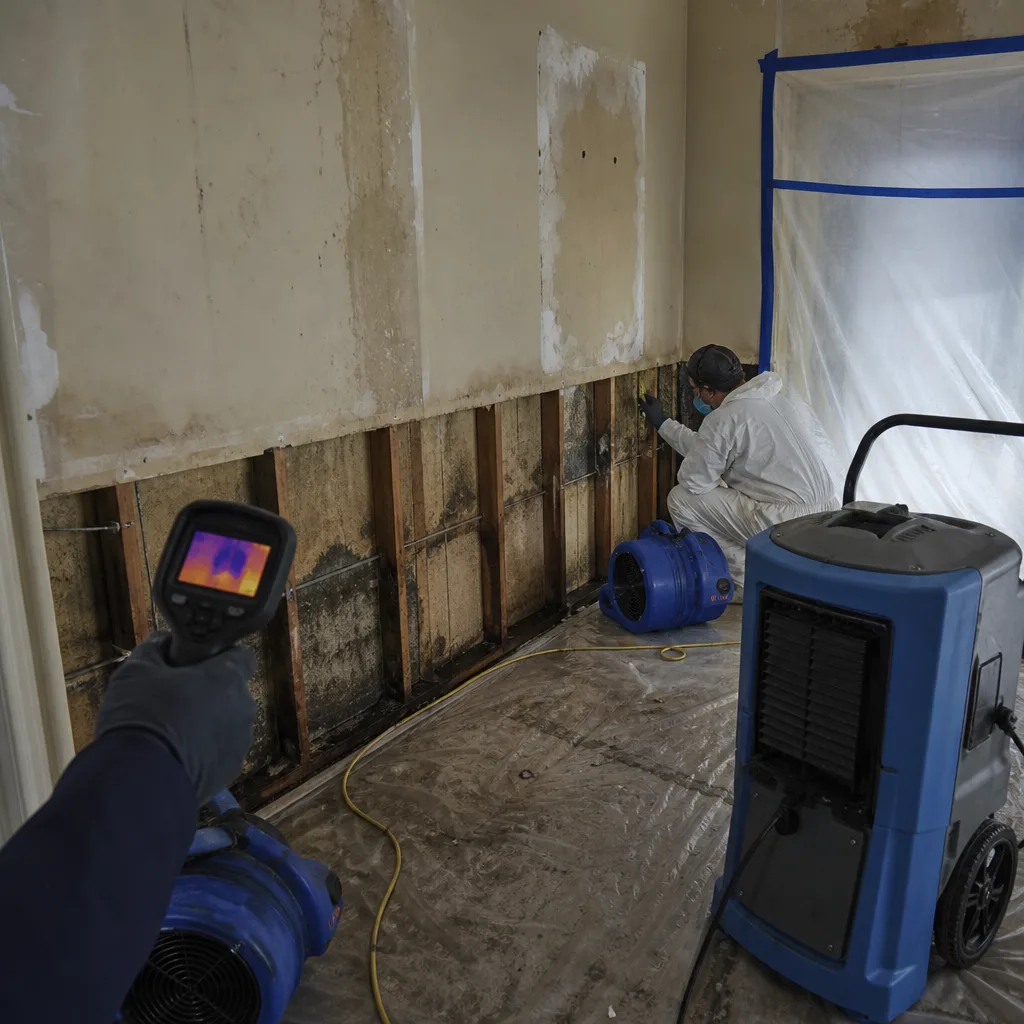 Before
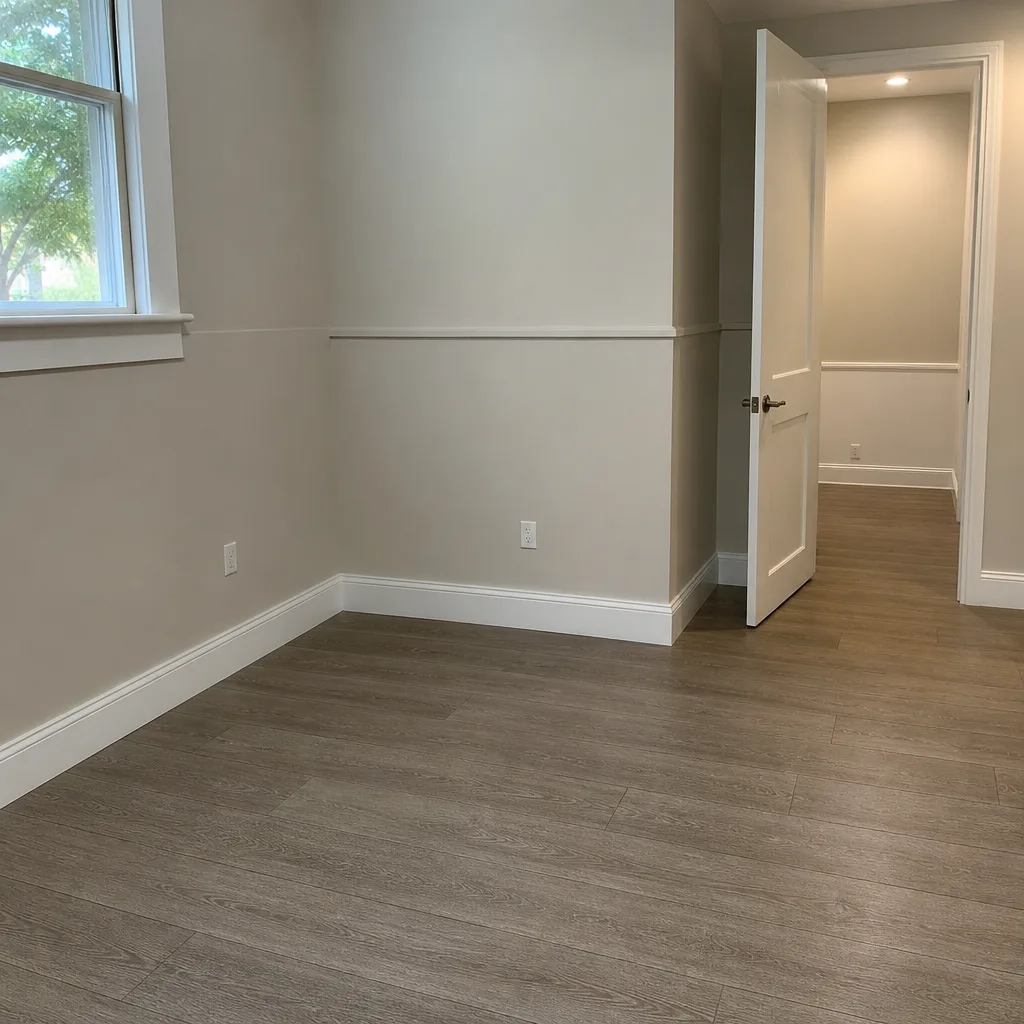 After
After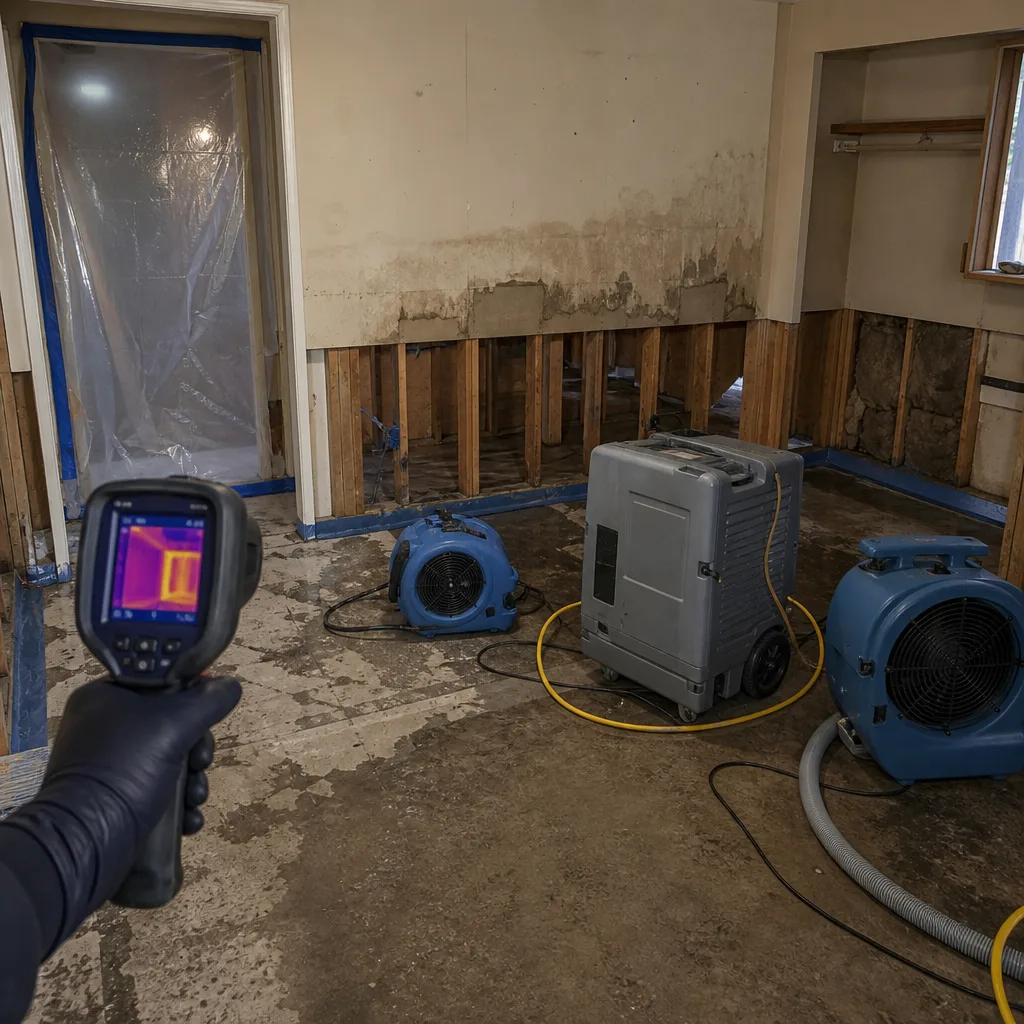 Before
 After
After Before
 After
After