
Last updated October 16, 2026
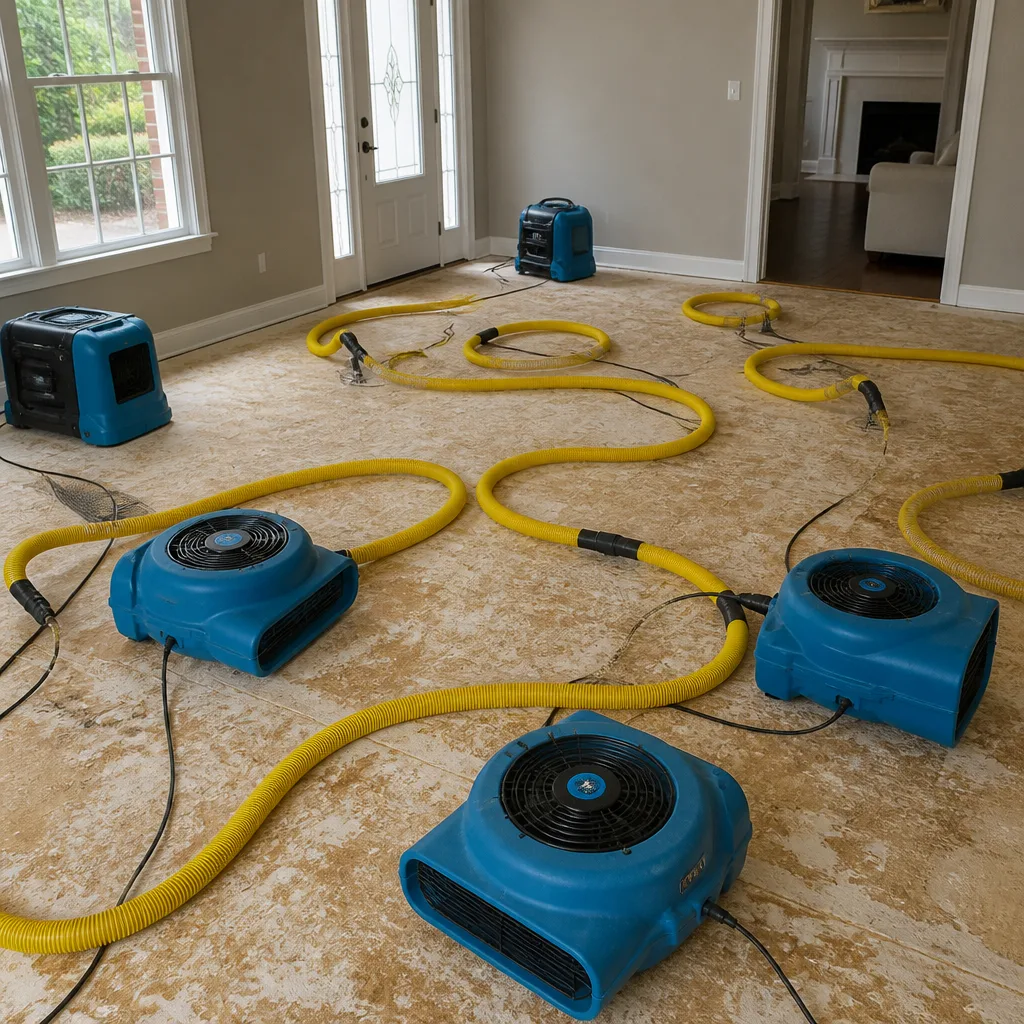 Water damage drying
 Fire & smoke cleanup
 Mold remediation
 Storm response
 Sewage cleanup
 Reconstruction
Free visual inspection and a written scope of work before any mitigation begins - photos, moisture readings, and drying logs go in your claim file
The scope we write is the scope we bill. Anything new gets shown to you, in writing, before we touch it.
Get your free estimateWater Damage Restoration Maintenance Checklist for Fresno Homeowners
Fresno’s summer heat routinely pushes attic temperatures past 150°F, which degrades plastic supply line fittings up to three times faster than manufacturer ratings assume. Almost no generic maintenance checklist mentions this, yet it is one of the most common causes of sudden leaks we see. This guide is built backward from the actual water damage calls our crews answer every week in Fresno, so every item on this checklist prevents a real claim, not a hypothetical one. You will learn exactly what to inspect, when to inspect it, and what to document so a small problem never becomes a call for our Water Damage Restoration services.
Restoration work we handle
Quick Answer
A water damage prevention checklist for Fresno homeowners should be organized seasonally around the valley’s specific stressors: tule fog moisture in winter, irrigation startup in March, extreme attic heat stress on supply lines in July, and the first rains in October. For a deeper dive, see The Complete Guide to Damage Restoration in Fresno. The highest-value monthly tasks are inspecting washing machine hoses, water heater connections, refrigerator ice maker lines, and testing your home’s water pressure to confirm it stays below 80 PSI. Photograph your water heater, under-sink plumbing, and appliance connections once a year so you have claim-ready documentation if a leak ever does occur.
Table of Contents
- The Seasonal Maintenance Checklist Built for Fresno’s Calendar
- The Three Appliances Most Likely to Cause a Fresno Water Damage Claim
- How to Test Your Home’s Water Pressure (And Why 80 PSI Is the Line)
- What to Photograph Every Year for Your Insurance File
- Pet-Safe and Child-Safe Products for Home Maintenance
- Irrigation, Exterior Hoses, and Fresno’s Hard Water Reality
- Attic Heat, Condensate Lines, and the Hidden Leaks Above Your Ceiling
- Common Mistakes to Avoid
- When to Call a Professional
- Frequently Asked Questions
- The Bottom Line
The Seasonal Maintenance Checklist Built for Fresno’s Calendar
Fresno does not follow the same maintenance calendar as, say, Seattle or Chicago. Our challenges are specific: winter tule fog that keeps moisture pressed against exterior walls for weeks, a spring irrigation startup that can reveal cracked pipes from winter soil movement, summer attic temperatures that cook plastic and rubber components, and an autumn that arrives with the first real rain after months of dry heat. Here is the month-by-month rhythm we recommend to every homeowner in the valley.
January and February: Fog Moisture and Interior Checks
Tule fog is not just a driving hazard. It saturates exterior walls, seeps into crawl spaces, and keeps humidity elevated inside homes that are sealed up tight against the cold. During these months, focus your attention on the places moisture collects silently.
- Inspect crawl space vents and the soil beneath your home. After two weeks of fog, check for standing water or damp soil. A wet crawl space in February becomes a musty smell inside by March.
- Check bathroom and kitchen exhaust fans. Run each one for five minutes with the door closed and confirm the fan actually pulls moisture out rather than just making noise. A failed damper or clogged duct quietly pushes moist air into the attic.
- Look for condensation on windows and exterior walls on fog days. Wipe it up, but also note where it forms repeatedly. Persistent condensation tells you where your envelope leaks warm, moist indoor air.
- Test your water heater pressure relief valve. Lift the lever briefly (a bucket under the drain pipe first) and confirm water flows and stops cleanly. A valve that drips or fails to reseat needs replacement, not repair.
March and April: Irrigation Startup and Supply Line Inspection
When Fresno homeowners turn sprinklers back on in March, cracked pipes and failed backflow preventers surface quickly. This is also a good time to inspect interior supply lines that had all winter to develop slow leaks unnoticed.
- Turn on each irrigation zone manually while you walk the yard looking for wet spots, geysers, or patches of grass that are suspiciously greener than the rest. A leak underground wastes water and undermines foundations over time.
- Inspect every braided stainless steel supply line under sinks and toilets for rust spots, kinks, or bulging. Replace any that show corrosion, even if they are not actively dripping.
- Check hose bibs and backflow preventers for freeze damage from winter’s occasional cold snaps. A hairline crack may only reveal itself once water flows under pressure again.
- Clean gutters and downspouts before the first spring rain. Fresno homes with valley oak or sycamore trees nearby often have gutters full of leaves by March, which sends water over the eaves and down exterior walls.
May through July: Heat Stress on Supply Lines and Fittings
This is the season where the 150°F attic reality does its damage. Plastic supply line fittings, rubber washers, and braided hose liners degrade faster in Fresno’s heat than anywhere else most homeowners have lived. July is the month when water damage calls spike.
- Inspect the ice maker supply line behind the refrigerator. If it is plastic or PVC, replace it with a braided stainless line. Plastic ice maker lines are a leading cause of kitchen floods during summer because they become brittle and crack under pressure.
- Check the water heater’s temperature and pressure relief valve again and the connection fittings at the top of the tank. Summer heat raises water pressure inside the tank, which stresses old fittings.
- Feel the flex connectors on your washing machine for soft spots, bulges, or any sign of rubber breakdown. If the outer braid shows rust or the hose feels spongy, replace it immediately with a reinforced braided line.
- Inspect attic-based plumbing if your home has any. Some older Fresno homes route water lines through the attic. A small pinhole leak up there drips onto insulation and drywall for weeks before you notice a stain on the ceiling.
- Run a short cycle on your washing machine and watch the water connections while the machine fills. A small drip that only appears under pressure is easy to miss unless you are looking at it.
August through October: Pre-Rain Exterior and Drainage Preparation
Before the first rain of autumn, Fresno homeowners need to do the outside work. Months of dry heat can crack caulking, pull flashing loose, and leave drainage paths clogged with dust and debris. Once rain comes, small exterior failures become interior water damage fast.
- Re-caulk window and door exterior seams where old caulking has dried, cracked, or pulled away. Pay special attention to south-facing and west-facing walls that get the most afternoon sun.
- Inspect the roof flashing around vents, skylights, and chimneys. If you can see gaps, lifted shingles, or missing sealant from the ground with binoculars, have a roofer look before the rain does.
- Clear all yard drains and channel drains of dirt, leaves, and debris. One clogged drain against the foundation can mean water pooling at the slab during the first heavy rain.
- Check exterior wall penetrations where cables, pipes, or conduit enter the house. Any gap is an invitation for wind-driven rain to follow.
- Walk the perimeter of your home on a dry day looking for soil that slopes toward the foundation instead of away. After a dry summer, you may notice erosion patterns you missed before.
November and December: Holiday Loads and the First Freeze
The holidays add extra strain to kitchen plumbing and washing machines, while the valley’s occasional overnight freeze tests any outdoor plumbing that was not drained.
- Disconnect and drain garden hoses. Even in Fresno, a hard freeze at night with a hose still attached can crack a hose bib, which then leaks inside the wall when you turn it back on.
- Insulate exterior hose bibs with foam covers after you drain them. These cost about five dollars and prevent the most common winter plumbing call in Fresno.
- Run a load of laundry and a dishwasher cycle while watching all connections closely. Holiday cooking and extra laundry push appliances harder, which exposes weak points before they fail catastrophically.
- Check the water heater anode rod if your tank is more than five years old. A spent anode rod means the tank itself is now corroding from the inside, and that is how leaks begin.
The Three Appliances Most Likely to Cause a Fresno Water Damage Claim
In our experience at Tidemark Water Damage Restoration in Fresno, three appliances account for a disproportionate share of the water damage calls we answer. None of them are exotic. All three are preventable with thirty minutes of attention twice a year.
1. Washing Machine Hoses
The washing machine is the single most common appliance behind Fresno water damage claims. The rubber supply hoses that ship with most machines are rated for about five years, but in Fresno’s hard water and summer heat, they often fail sooner. A burst washing machine hose can dump five to ten gallons per minute, and if nobody is home, that is a flooded laundry room, hallway, and possibly more before the water is discovered.
What to do:
- Pull the machine out far enough to see both hoses clearly.
- Look for rust on the braiding, soft spots in the rubber, bulges near the fittings, or any cracking.
- Check the rubber washers inside the hose connections for flattening or brittleness.
- Replace any hose showing wear with a reinforced braided stainless steel hose rated for at least 1,500 PSI.
- Replace hoses every five years regardless of how they look. It is a twenty-dollar part that prevents a five-thousand-dollar cleanup.
2. Water Heaters Over Eight Years Old
Fresno’s hot summer days and cold winter nights put constant thermal stress on water heater tanks. A tank that is over eight years old, especially one that has never had its anode rod replaced, is living on borrowed time. When these fail, they rarely fail in a controlled way. They leak from the bottom, rust through, or release pressure from the T&P valve into the garage, closet, or wherever the tank sits.
What to do:
- Check the manufacture date on the tank’s rating plate. If it is older than eight years, mark replacement as a budget item, not an emergency.
- Inspect the floor and wall around the tank for moisture, rust stains, or mineral deposits.
- Listen for a hissing or crackling sound when the burner or elements run, which means sediment buildup is overheating the bottom of the tank.
- Flush a gallon of water from the drain valve twice a year to reduce sediment, or hire a plumber to do it if the valve is stuck.
- Take a photo of the rating plate showing the serial number and date. You will want this for warranty purposes and your insurance file.
3. Refrigerator Ice Maker Lines
The ice maker line is the smallest water line in most Fresno homes and the one most likely to be a thin plastic tube that has been there since the refrigerator was installed. That tube runs behind a hot appliance, against a warm wall, and under constant pressure. When it fails, it sprays a fine mist or steady stream that pools under the refrigerator and spreads behind cabinetry where nobody sees it for hours or days.
What to do:
- Pull the refrigerator out from the wall and inspect the entire length of the ice maker line.
- If it is plastic or clear vinyl, replace it with a braided stainless steel line immediately.
- Check the connection at the shutoff valve behind the refrigerator and the fitting at the back of the fridge for drips or mineral buildup.
- Confirm the shutoff valve actually turns and shuts off water flow. A valve that is frozen open is useless in an emergency.
- After reconnecting, run the ice maker through one cycle while watching the line from end to end.
How to Test Your Home’s Water Pressure (And Why 80 PSI Is the Line)
Fresno municipal water pressure varies by neighborhood and time of day, and pressure that spikes above 80 PSI quietly destroys fittings, valves, and appliance hoses over months and years. You will not hear it happening. You will not feel it at the tap. But every plastic fitting, rubber washer, and braided line in your home is rated for a maximum pressure, and exceeding that rating is how slow leaks become sudden failures.
Here is how to test your pressure yourself in about ten minutes:
- Buy a water pressure gauge with a hose thread fitting. They cost about ten dollars at any hardware store in Fresno.
- Attach it to an exterior hose bib that is closest to where your water main enters the house, usually in the front yard.
- Make sure no water is running anywhere inside the house, including toilets, ice makers, and irrigation.
- Open the hose bib fully and read the gauge.
- Record the reading once in the morning and once in the evening, since municipal pressure fluctuates through the day.
- Repeat the test on a second hose bib on the opposite side of the house to make sure there is no significant pressure drop across your system.
If your reading is consistently at or above 80 PSI, do not ignore it. A pressure regulator that is failing or absent means every water-using appliance and every fitting in your walls is being tested every single day. Most fixtures are designed for 40 to 60 PSI. Above 80, the failure rate climbs sharply.
What to do if your pressure is high:
- Confirm whether you have a pressure regulator (often located near the main shutoff or where the main line enters the house).
- If you have one, a plumber can adjust it or replace it if it has failed.
- If you do not have one, installing a pressure regulator at the main supply is a straightforward job and inexpensive compared to even one water damage claim.
- Ask your water utility if they can provide neighborhood pressure data. Some Fresno neighborhoods experience pressure spikes during summer demand peaks.
This is one of the most overlooked items in any Fresno water damage prevention plan, and it is the kind of thing that separates homes that go decades without a leak from homes that seem to have one every couple of years.
What to Photograph Every Year for Your Insurance File
If water damage does occur, your insurance claim goes much more smoothly when you can show what the affected systems looked like before the incident. Insurance adjusters respond to evidence, and a homeowner who has a current photo file of their plumbing, appliances, and water-using systems has a significant advantage. You do not need professional photos. A smartphone camera is enough, as long as the photos are clear and dated.
Here is what to photograph once a year, ideally in March when you are already doing your irrigation startup inspection:
- The water heater rating plate showing the serial number, manufacture date, and model. Also photograph the entire water heater from two angles.
- Under every sink in the kitchen, bathrooms, utility room, and anywhere else with plumbing. Get wide shots and close-ups of the shutoff valves and supply connections.
- The washing machine connections including the hoses, shutoff valves, and the drain pan if you have one.
- The refrigerator ice maker line from the wall shutoff to the back of the fridge.
- The main water shutoff valve where the water enters the house. Also photograph any pressure regulator.
- The exterior hose bibs from both sides, showing condition and any insulation.
- The water meter and the area around it, so you have a baseline reading record.
Store these photos in a folder on your phone or in cloud storage and label them with the date. When you update the photos each year, you are building a maintenance history that also serves as evidence of regular care. For related advice, see our Damage Restoration Cost Breakdown: The Fresno Homeowner’s Reference for 2026. If you are working with a restoration company on a claim, photo documentation like this helps the adjuster understand the pre-loss condition of your home and speeds up the approval process.
For homeowners in the middle of a claim right now, Tidemark Water Damage Fresno’s team documents everything photographically during the restoration process and coordinates directly with insurance adjusters, which takes the burden of evidence off your shoulders.
Pet-Safe and Child-Safe Products for Home Maintenance
Many homeowners use maintenance products without thinking about what happens when a child or pet comes into contact with them. Drain cleaners, mildew sprays, and even some “green” products contain chemicals that are dangerous to small bodies. In a house with kids and pets, the products you choose for routine maintenance matter as much as the products a restoration crew chooses during cleanup.
Our crews use pet-safe drying agents wherever there is a choice, and we select lower-decibel settings on drying equipment during school hours and nap times. That same consideration belongs in your own maintenance routine.
Guidelines for pet-safe and child-safe maintenance products:
- Skip caustic drain cleaners. Instead of pouring sodium hydroxide or sulfuric acid down a slow drain, use a mechanical snake or a plastic drain claw to remove the clog. If you must use a liquid product, choose an enzymatic cleaner that breaks down organic matter without harsh fumes or residual chemicals.
- For mildew on shower and tub surfaces, use a vinegar and water solution or a hydrogen peroxide-based cleaner rather than bleach sprays. Bleach residue on surfaces pets walk on or children touch is an avoidable risk.
- For water heater maintenance, if you flush the tank yourself, direct the drain water to a floor drain or outside away from play areas and pet paths. The mineral sediment and hot water can burn paws and feet.
- Store all maintenance products in a locked cabinet or high shelf, even if the label says “non-toxic.” A child does not know the difference, and “non-toxic” does not mean safe to ingest in quantity.
- When you replace supply lines or washers, choose products made from materials that do not leach chemicals into drinking water. Look for NSF/ANSI 61 certification on anything that touches potable water.
- If you ever need professional restoration, ask specifically about the products the crew will use around your family. A good restoration company will tell you exactly what they are applying and why, and will offer pet-safe options where one exists.
Our approach at Tidemark follows the same principle: name what will be protected and how. Shoe covers go on at the door. Drop cloths cover the floor before the first piece of equipment comes in. Pet-safe drying agents are used where there is a choice, and the crew explains what they are doing before they do it.
Irrigation, Exterior Hoses, and Fresno’s Hard Water Reality
Fresno’s water is hard. The mineral content varies by exact source and season, but in general, the valley’s groundwater is rich in calcium and magnesium, which build up inside pipes, valves, fittings, and appliance internals. That mineral scale reduces the effective diameter of supply lines over time, increases internal pressure, and makes rubber components stiff and brittle faster than they would be in a softer-water city. Hard water is not just a nuisance in Fresno; it is a wear-and-tear tax on every water-using system in your home.
Irrigation systems deserve special attention because they are outside your sightlines most of the time:
- Check irrigation valve boxes once a season. Open each box, clear out dirt and debris, and look for slow weeping at valve seals. A valve that weeps for months wastes water and softens the soil around foundations.
- Inspect sprinkler heads after every mowing. A head that has been clipped by a mower can spray directly against the foundation or a stucco wall, which over time soaks through and causes interior moisture issues.
- Watch for overly lush grass patches anywhere in the yard. These often indicate a slow underground drip that has been feeding that area for months.
- Confirm backflow preventers are working. Fresno municipal code requires backflow prevention on irrigation systems, and a failed backflow device can siphon irrigation water back into your home’s drinking water supply while also creating a leak point.
- Drain the system before the first hard freeze each winter, even though Fresno freezes are usually brief. A single overnight freeze with water in the lines is enough to crack PVC.
If you are planning an irrigation repair or replacement, do it before March when the first spring watering begins. The last thing you want is a failed irrigation valve discovered during the first heat wave of summer, when everyone in Fresno is trying to get a plumber or landscaper at the same time.
Attic Heat, Condensate Lines, and the Hidden Leaks Above Your Ceiling
The attic is the last place most Fresno homeowners look for water damage, but it is often where the earliest signs appear. Stains on a ceiling almost always tell you something was already happening up above for days or weeks before the stain became visible. Fresno’s attic conditions make this worse: extreme summer heat dries out sealants and gaskets, winter fog introduces humidity, and the temperature swing from 30°F to 150°F stresses every material up there.
What to check in and around your attic and HVAC system:
- HVAC condensate drain lines clog with dust, mold, and mineral buildup, especially in hard-water Fresno. A clogged line backs up into the evaporator coil pan, which overflows into the attic and soaks the drywall below. Pour a cup of white vinegar down the condensate line twice a year to keep it clear.
- Check the secondary drain pan under the air handler for standing water. If there is water in it, the primary line is clogged or the unit is not draining correctly.
- Look at the underside of the roof decking on a sunny day for dark stains or streaks, which indicate a past or present roof leak. Even a slow roof leak becomes a mold and structural problem in a hot, humid attic.
- Inspect attic insulation for dark or compressed areas, especially near roof penetrations. Wet insulation holds moisture against framing and ceiling drywall long after the initial leak stops.
- Check bathroom exhaust fan ductwork where it passes through the attic. If the duct is disconnected, sagging, or venting into the attic rather than outside, every shower sends moisture directly into your attic space.
- Feel exposed water lines in the attic for condensation on hot days. Poorly insulated cold water lines sweating in a hot attic drip onto whatever is below them.
If you find evidence of a past leak in the attic, do not assume the problem is fully resolved because the visible stain is dry. Moisture hidden in insulation, framing, or drywall stays active long after the leak stops. This is where mold remediation in Fresno homes often becomes necessary, and the earlier it is caught, the smaller the scope of work.
Common Mistakes to Avoid
- Ignoring small drips because “it has always done that.” A fixture or fitting that drips slowly is under constant pressure and can fail completely without warning. The drip is the warning.
- Waiting to replace braided hoses until they visually burst. By the time a braided line looks rusted or bulging, it has already lost most of its structural integrity. Replace on a schedule, not on appearance.
- Assuming the water heater is fine because it still makes hot water. A water heater can produce hot water perfectly while the tank interior corrodes toward a leak. Age and maintenance history matter more than current function.
- Using chemical drain cleaners as a first option. Caustic drain cleaners are not just a child and pet hazard; they can damage older pipes and fittings, which creates new leak points while solving nothing permanently.
- Neglecting to test water pressure annually. You cannot feel 80-plus PSI at the tap, but you will feel the consequences when a fitting lets go. Pressure testing is cheap and takes ten minutes.
- Photographing nothing until after a leak happens. After-the-fact photos do not show the condition of systems before they failed. Your insurance claim is stronger with annual documentation.
- Doing attic inspections only in summer or only in winter. Fresno’s attic conditions change dramatically by season, and each season stresses different materials. Check twice a year.
When to Call a Professional
Some maintenance tasks are safe and appropriate for a homeowner. Others belong in the hands of someone with proper training and equipment. Call a plumber if you discover water pressure above 80 PSI, a water heater over eight years old with signs of corrosion, or any supply line that shows visible wear. Call a restoration professional if you notice water stains on ceilings or walls, warped flooring, a musty smell that persists after cleaning, or any visible mold growth. Water that has soaked into drywall, insulation, or framing requires professional drying equipment, not just towels and fans. Tidemark Water Damage Fresno offers free estimates in Fresno, and our crews use professional-grade drying equipment from Dri-Eaz and Phoenix to find the tide mark and dry past it. Call (559) 354-1680 to ask about your situation.
Frequently Asked Questions
Inspect washing machine hoses every six months, in March and September, and replace them every five years regardless of appearance. Fresno’s hard water and summer heat shorten the lifespan of rubber and braided hoses compared to cooler climates, so a visual check twice a year is the minimum that makes sense here.
Anything above 80 PSI is too high and begins damaging fittings, hoses, and appliance internals over time. Most fixtures are designed for 40 to 60 PSI, and if your gauge reads 80 or higher consistently, have a plumber inspect or install a pressure regulator. Call (559) 354-1680 if you need a recommendation for a local plumber.
Yes. Annual photos of your water heater, under-sink plumbing, washing machine connections, and exterior hose bibs create a dated maintenance record that makes insurance claims go much more smoothly after water damage. Adjusters respond to evidence, and a homeowner with a clear pre-loss photo file has a faster, stronger claim.
In our experience, washing machine hose failures and water heater leaks are the two most common water damage calls we answer in Fresno. Both are preventable with regular inspection and scheduled replacement, and both can release dozens of gallons in minutes when they fail.
Caustic drain cleaners are not safe to store or use in a house with children or pets, and they can also damage older plumbing. Use mechanical removal methods like a drain claw or snake first, or choose an enzymatic cleaner with no harsh fumes or residual chemicals. If you are dealing with a persistent clog, call a professional before reaching for the strongest chemical you can find.
A live person answers the phone at Tidemark Water Damage Fresno 24 hours a day, seven days a week. Water damage does not wait for business hours, and neither do we. Call (559) 354-1680 any time, day or night, and you will speak to a person, not a voicemail.
The Bottom Line
Fresno homeowners face a specific set of water damage risks that generic checklists miss: extreme attic heat degrading plastic supply lines, tule fog moisture pressing against exterior walls in winter, irrigation failures in spring, and hard water accelerating wear on every fitting and appliance. The prevention work that matters most is simple but consistent: inspect your washing machine hoses, water heater, and ice maker line twice a year, test your water pressure annually, photograph your plumbing systems every March, and choose maintenance products that are safe for the kids and pets under your roof. If you catch a problem early, you save yourself a restoration. If you catch it late, we are here. Call (559) 354-1680 for a free estimate from Tidemark Water Damage Restoration in Fresno, where every job starts with a written price before any work begins.
Written by Rick Sumner, Owner at Tidemark Water Damage Fresno, serving Fresno since 2006. Browse more guides & resources.
See the difference
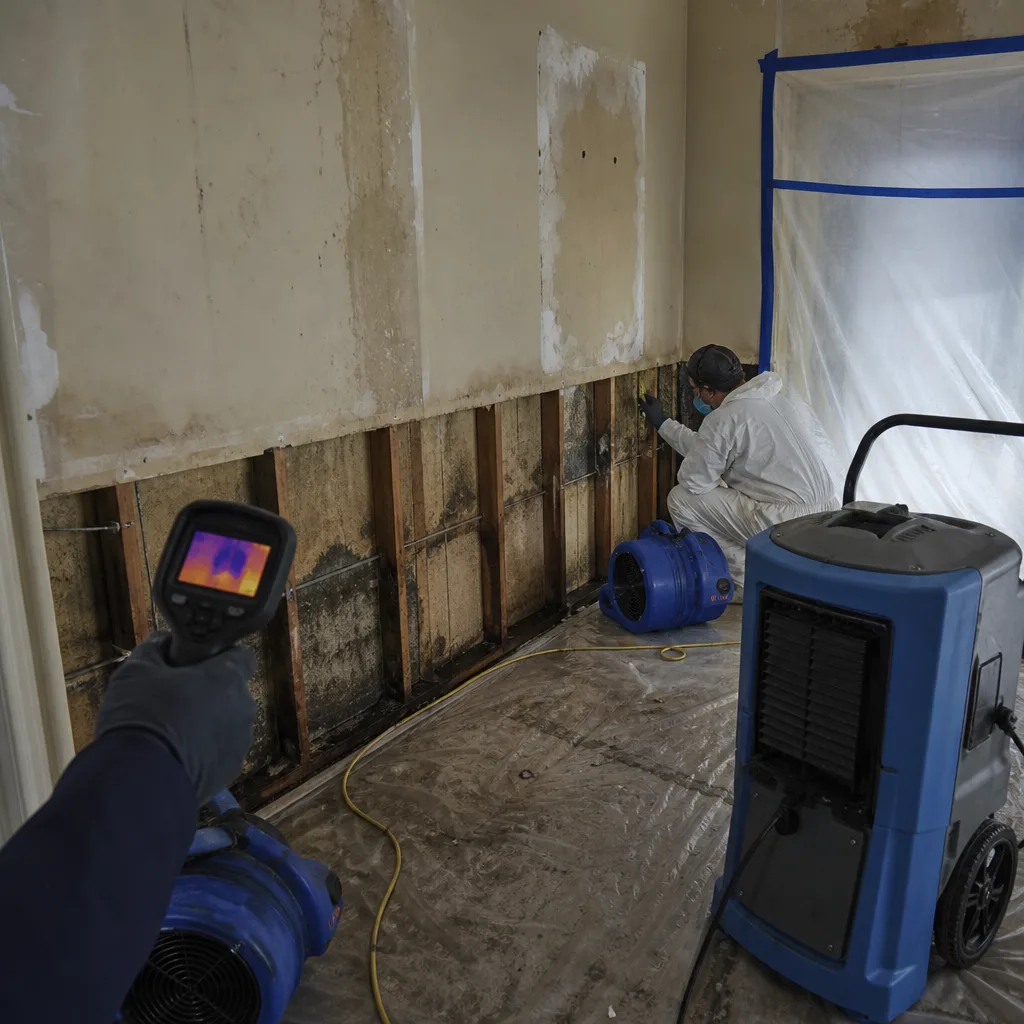 Before
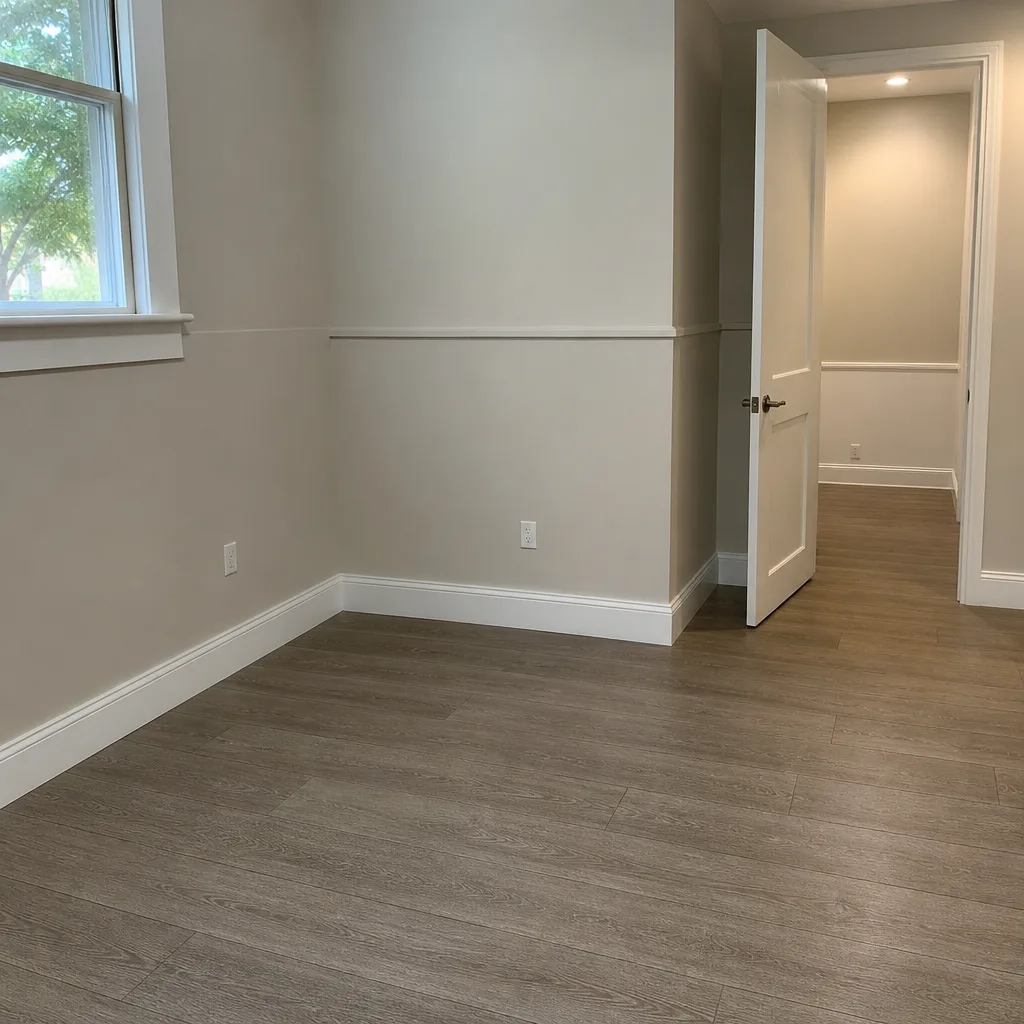 After
After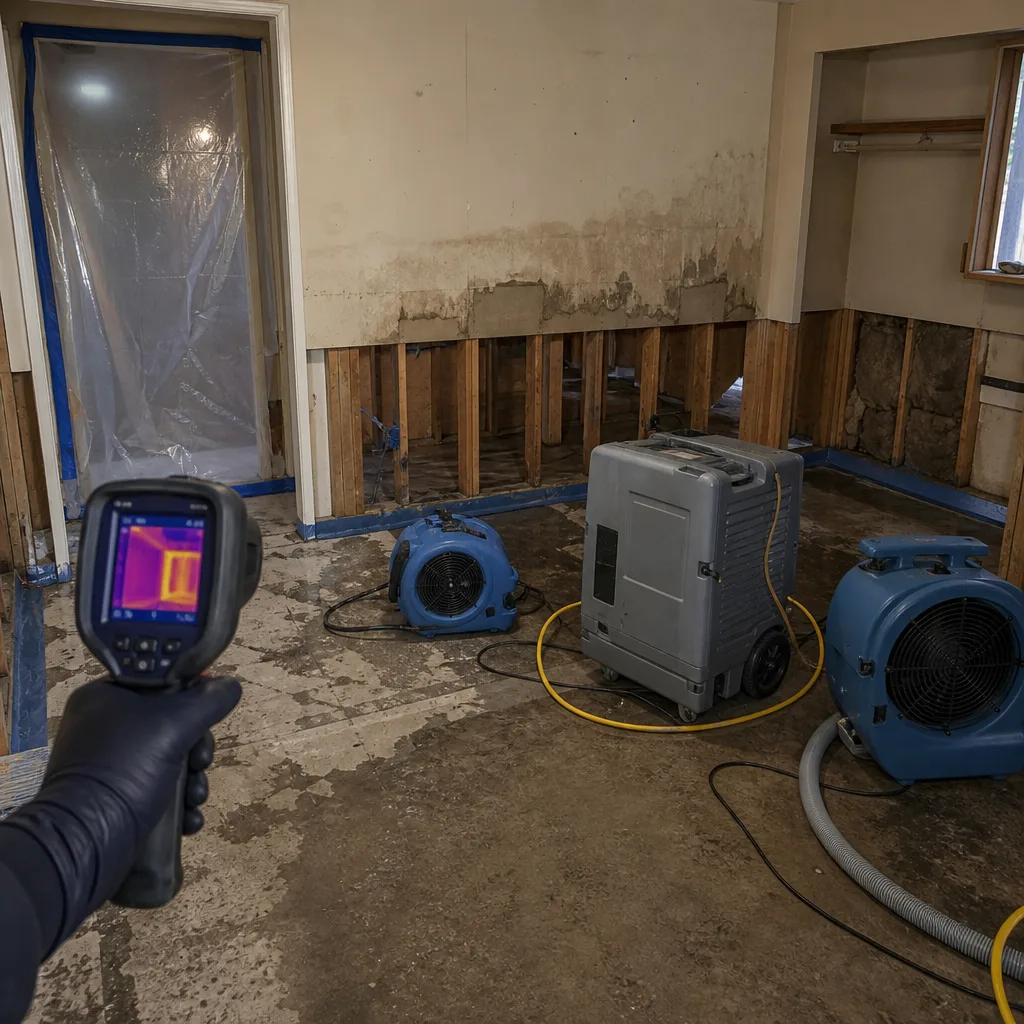 Before
 After
After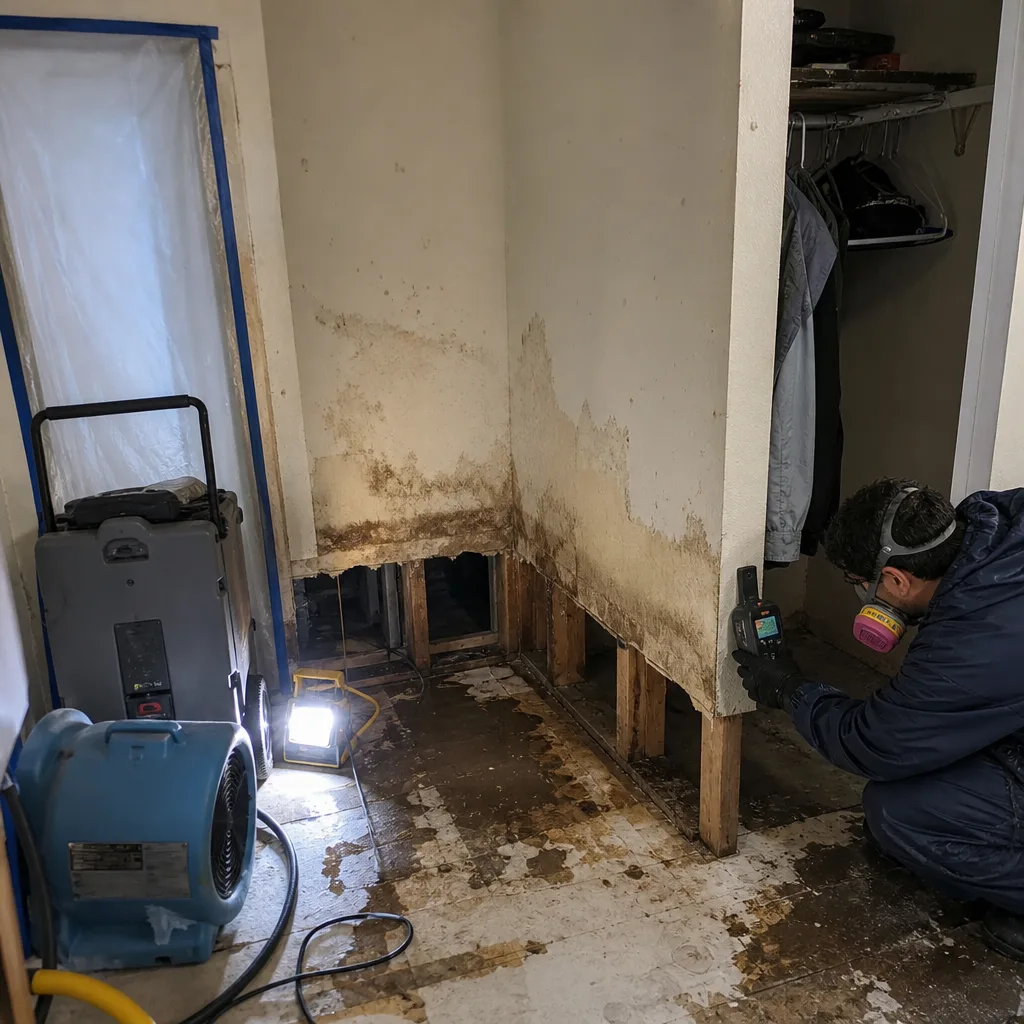 Before
 After
After